
25 High-Protein Low-Calorie Recipes That Actually Fill You Up
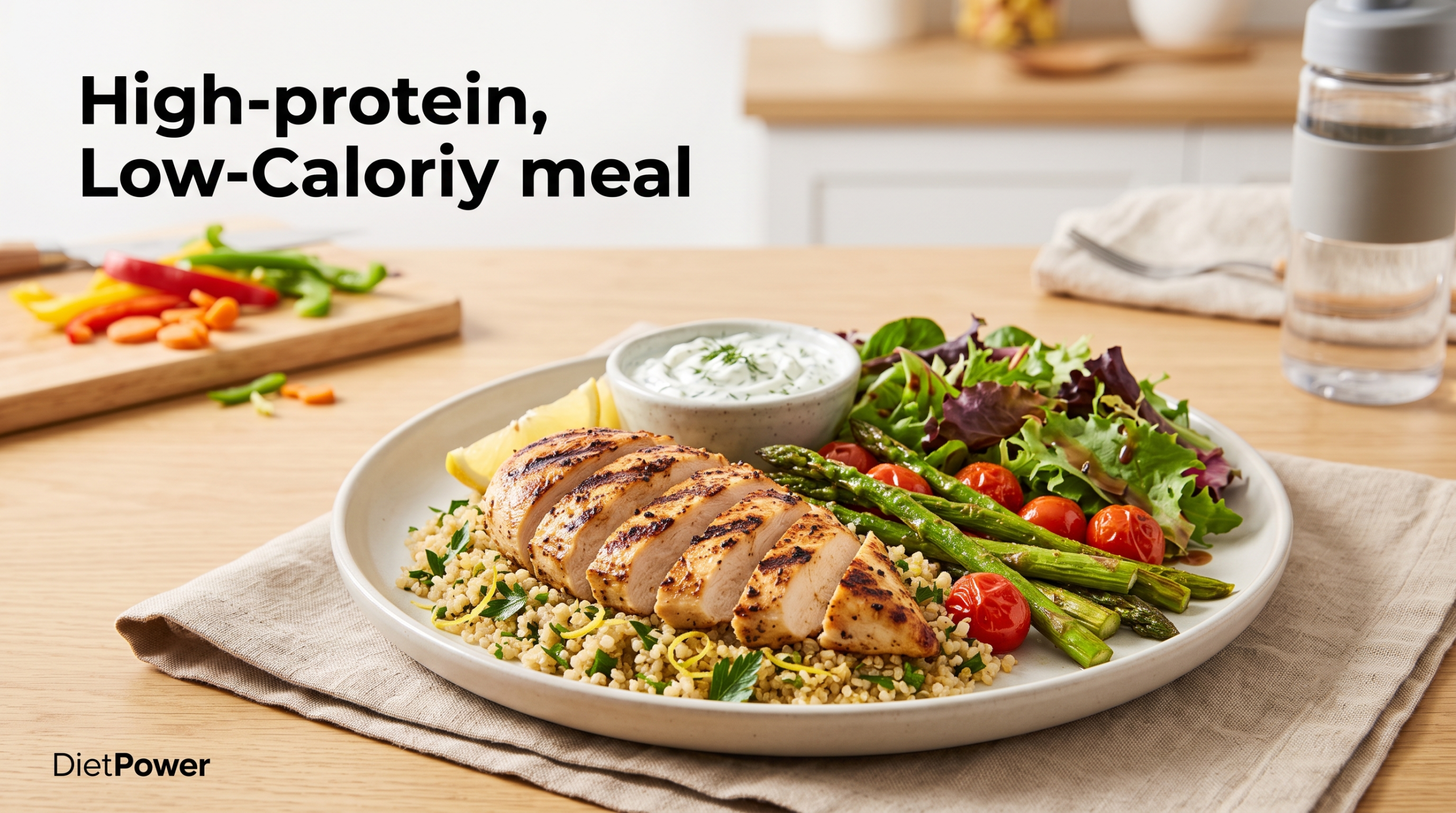
High protein low calorie recipes can transform your weight loss journey from constant hunger to sustainable satisfaction. Finding meals that deliver serious protein without sending your calorie count through the roof doesn’t mean eating bland chicken and steamed broccoli every night. The right combination of lean proteins, smart carbs, and flavor-packed ingredients can make fat loss feel effortless—and actually enjoyable. This guide walks through 25 practical high protein low calorie recipes organized by meal type, plus the simple framework that makes them work.
What Makes a Meal High-Protein and Low-Calorie
For this guide, high-protein low-calorie recipes meet two criteria: at least 25–35 grams of protein per serving, and under 400 calories total. This ratio keeps you full between meals, supports muscle retention during fat loss, and leaves room in your daily budget for snacks, condiments, and flexibility.
The formula is straightforward: build around a palm-sized portion of lean protein (chicken breast, white fish, tofu, egg whites), add non-starchy vegetables for volume and nutrients, include a moderate portion of fiber-rich carbs if needed for energy, and flavor generously with herbs, spices, citrus, and vinegar rather than calorie-dense sauces.
These aren’t elaborate restaurant-style dishes. They’re simple, repeatable meals designed for real kitchens and real schedules.
Quick Summary
- Target 25–35g protein and under 400 calories per meal
- Lean protein + vegetables + smart carbs = sustainable fullness
- Simple preparation beats complexity for long-term adherence
Why High Protein Low Calorie Recipes Work for Weight Loss
Three factors determine whether a high-protein meal actually satisfies: protein quality (complete amino acid profile from animal or combined plant sources), volume (enough food on your plate to feel psychologically and physically full), and flavor layering (salt, acid, heat, and aromatics that make food worth eating).
Protein powder shakes technically hit the numbers, but a 300-calorie smoothie disappears in two minutes and leaves you hunting for snacks an hour later. A 350-calorie grilled chicken salad with mixed greens, roasted vegetables, and balsamic vinegar takes fifteen minutes to eat and keeps hunger at bay for four hours.
The best high-protein low-calorie recipes maximize chewing time, visual plate coverage, and taste complexity without relying on added fats or sugars.

The following high protein low calorie recipes range from quick breakfast options to satisfying dinners, all designed to deliver maximum nutrition in minimal calories.
25 High-Protein Low-Calorie Recipes by Meal Type
Breakfast (5 Recipes)
1. Veggie-Loaded Egg White Scramble
8 egg whites, bell peppers, spinach, mushrooms, salsa. Scramble in a nonstick pan with cooking spray.
~32g protein, 180 calories
2. Greek Yogurt Power Bowl
200g nonfat Greek yogurt, 150g mixed berries, 1 tbsp chia seeds, cinnamon.
~25g protein, 220 calories
3. Cottage Cheese Protein Pancakes
100g low-fat cottage cheese, 2 whole eggs, 30g oats, vanilla extract. Blend and cook on a griddle.
~28g protein, 280 calories
4. Smoked Salmon & Egg White Wrap
Whole wheat tortilla, 4 egg whites scrambled, 50g smoked salmon, cucumber, dill.
~30g protein, 320 calories
5. Overnight Protein Oats
40g oats, 150g nonfat Greek yogurt, 100ml unsweetened almond milk, 1 scoop protein powder, berries. Mix and refrigerate overnight.
~35g protein, 350 calories
Lunch (8 Recipes)
6. Chicken Burrito Bowl
120g grilled chicken breast, 80g black beans, lettuce, tomatoes, salsa, 1 tbsp Greek yogurt.
~40g protein, 340 calories
7. Tuna Stuffed Bell Peppers
1 can tuna in water (drained), halved bell peppers, diced celery, mustard, herbs. Stuff and serve cold.
~35g protein, 240 calories
8. Asian-Style Tofu Lettuce Wraps
150g firm tofu (crumbled and sautéed), water chestnuts, scallions, ginger, low-sodium soy sauce. Serve in butter lettuce cups.
~26g protein, 280 calories
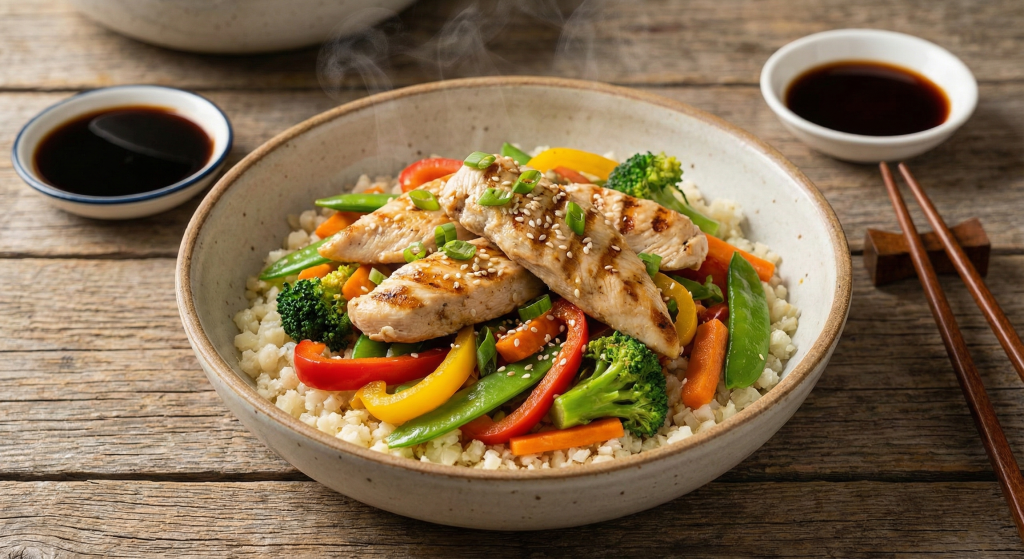
9. Shrimp & Cauliflower Rice Bowl
150g shrimp, 200g cauliflower rice, snap peas, carrots, garlic, lime juice.
~32g protein, 220 calories
10. Turkey & White Bean Salad
120g sliced turkey breast, 100g cannellini beans, arugula, cherry tomatoes, lemon vinaigrette.
~38g protein, 320 calories
11. Lentil & Chicken Soup
100g shredded chicken breast, 100g cooked lentils, carrots, celery, low-sodium broth, thyme.
~30g protein, 290 calories
12. Egg Salad Lettuce Boats
4 hard-boiled eggs (2 whole + 2 whites only), Greek yogurt, mustard, celery, paprika. Serve in romaine leaves.
~28g protein, 260 calories
13. Mediterranean Chickpea Salad
150g chickpeas, diced cucumber, tomatoes, red onion, 100g grilled chicken, lemon juice, oregano.
~35g protein, 340 calories
Dinner (8 Recipes)
14. Baked Cod with Roasted Vegetables
180g cod fillet, 200g mixed vegetables (zucchini, bell peppers, onions), garlic, lemon, herbs.
~36g protein, 280 calories
15. Turkey Meatballs with Zucchini Noodles
120g extra-lean turkey meatballs (baked), spiralized zucchini, marinara sauce (no added sugar).
~34g protein, 310 calories
16. Grilled Chicken Fajita Plate
150g grilled chicken breast, sliced bell peppers and onions, 1 small whole wheat tortilla, salsa.
~40g protein, 380 calories
17. Teriyaki Salmon & Broccoli
120g salmon fillet, 200g steamed broccoli, 2 tbsp low-sodium teriyaki sauce, sesame seeds.
~30g protein, 360 calories (higher in omega-3s, slightly more calories)
18. Beef & Vegetable Stir-Fry
120g extra-lean beef strips, mixed stir-fry vegetables, ginger, garlic, low-sodium soy sauce, serve over 100g cauliflower rice.
~32g protein, 320 calories
19. Baked Pork Tenderloin with Green Beans
150g pork tenderloin, 200g green beans, rosemary, garlic, Dijon mustard glaze.
~38g protein, 300 calories
20. White Bean & Chicken Chili
120g shredded chicken, 150g white beans, diced tomatoes, green chilies, cumin, chicken broth.
~36g protein, 330 calories
21. Grilled Shrimp Skewers with Quinoa
150g shrimp, 80g cooked quinoa, grilled vegetables, lemon-herb marinade.
~34g protein, 340 calories
Snacks & Light Meals (4 Recipes)
22. Cottage Cheese & Cucumber Plate
150g low-fat cottage cheese, sliced cucumber, cherry tomatoes, everything bagel seasoning.
~25g protein, 160 calories
23. Edamame Hummus with Vegetables
100g shelled edamame blended with lemon, tahini, garlic; served with bell pepper strips and celery.
~14g protein, 180 calories
24. Turkey Roll-Ups
4 slices deli turkey breast, laughing cow light cheese wedge, cucumber sticks, mustard. Roll and eat.
~20g protein, 140 calories
25. Protein-Packed Chia Pudding
30g chia seeds, 200ml unsweetened almond milk, 1 scoop vanilla protein powder, berries. Refrigerate 4+ hours.
~28g protein, 220 calories
In Short
- Breakfast ideas prioritize quick prep and lasting energy
- Lunch and dinner recipes balance protein density with meal volume
- Snacks bridge gaps without derailing calorie targets
Best For (Who These Recipes Work For)
These high-protein low-calorie recipes make the most sense for people actively managing their weight while trying to preserve muscle mass—whether that’s through structured strength training or simply wanting to avoid the muscle loss that often accompanies calorie restriction.
They’re particularly useful for individuals who struggle with hunger on traditional lower-calorie diets, busy professionals who need simple meal solutions that don’t require elaborate prep, and anyone transitioning away from processed diet foods toward whole-ingredient cooking.
If you’re training intensely (endurance athletes, powerlifters, or those in heavy training blocks), these meals might leave you underfueled. Add starchy carbs, healthy fats, or larger portions as needed. If you have specific medical conditions affecting protein metabolism—kidney disease, certain metabolic disorders—these recipes aren’t appropriate without medical supervision.
They’re less ideal for people seeking ultra-low-effort solutions (most require basic cooking skills), those who genuinely prefer higher-fat meal patterns (keto, low-carb enthusiasts who feel better on fat-based satiety), or anyone dealing with disordered eating patterns where rigid meal structures could be harmful.
Common Pitfalls to Avoid
The biggest mistake is confusing high-protein low-calorie recipes with a complete nutrition strategy. Eating 300-calorie meals exclusively will leave most people exhausted, irritable, and prone to binging. These recipes work best as part of a balanced daily intake that includes adequate fats (for hormone production and nutrient absorption), fibrous carbohydrates (for energy and digestive health), and enough total calories to support your activity level.
Orchestrated content structure and refined remaining sections.
Good progress. I need to continue with the remaining sections and keep the non-pillar structure tight. Let me continue with the risks/limitations section and final decision framing.
Another common issue: ignoring individual protein tolerances. Some people feel fantastic on 150+ grams of protein daily; others feel bloated, uncomfortable, or develop digestive issues above 100 grams. Start conservatively (aim for 1.2–1.6g per kg body weight) and adjust based on how you feel, not just what the numbers say.
Skipping vegetables to “save room for protein” defeats the purpose. Fiber, vitamins, minerals, and phytonutrients from plants support everything from gut health to recovery. If your high-protein meals don’t include substantial vegetable servings, you’re building an unsustainable pattern.
Finally, treating these recipes as rigid prescriptions rather than flexible templates creates unnecessary stress. Swap proteins based on what’s on sale, substitute vegetables you actually enjoy, and adjust portion sizes to match your hunger and energy needs. Perfection isn’t the goal—consistency is.
What This Means
- Use these recipes as framework, not law
- Balance protein focus with fats, carbs, and vegetables
- Adjust portions to support your actual energy expenditure
Making These Recipes Work in Real Life
The difference between using these high-protein low-calorie recipes once and building them into a sustainable routine comes down to batch preparation and strategic variety. Cook 3–4 protein sources on Sunday (grilled chicken, baked fish, hard-boiled eggs, cooked lentils), prep vegetables for the week, and store components separately. You can assemble different meals from the same base ingredients without eating identical food seven days straight.
Invest in basic flavor tools: quality hot sauce, different vinegars (balsamic, rice, apple cider), dried herbs and spice blends, lemon juice, and low-sodium soy sauce or coconut aminos. These transform simple ingredients without adding meaningful calories and prevent palate fatigue.
If a recipe doesn’t excite you, skip it. Forcing yourself to eat egg white scrambles when you hate eggs guarantees you’ll abandon the pattern within two weeks. Find five recipes from this list that genuinely appeal to you, rotate them for two weeks, then gradually test new options. Sustainable eating beats optimal eating that you can’t maintain.
Track your results honestly: Are you satisfied between meals? Do you have stable energy? Are you hitting your strength training goals? If not, the issue probably isn’t these recipes—it’s total calorie intake, nutrient timing, or activity level mismatches. Adjust accordingly and give changes at least two weeks before re-evaluating.

Eating high-protein while managing calories isn’t about deprivation—it’s about choosing foods that deliver satiety, nutrition, and taste in reasonable portions. Start with three recipes that fit your schedule and preferences, nail those consistently, then expand your rotation. Your body adapts to what you practice, not what you plan.