
How to Stop Food Cravings: 15 Science-Backed Strategies That Work
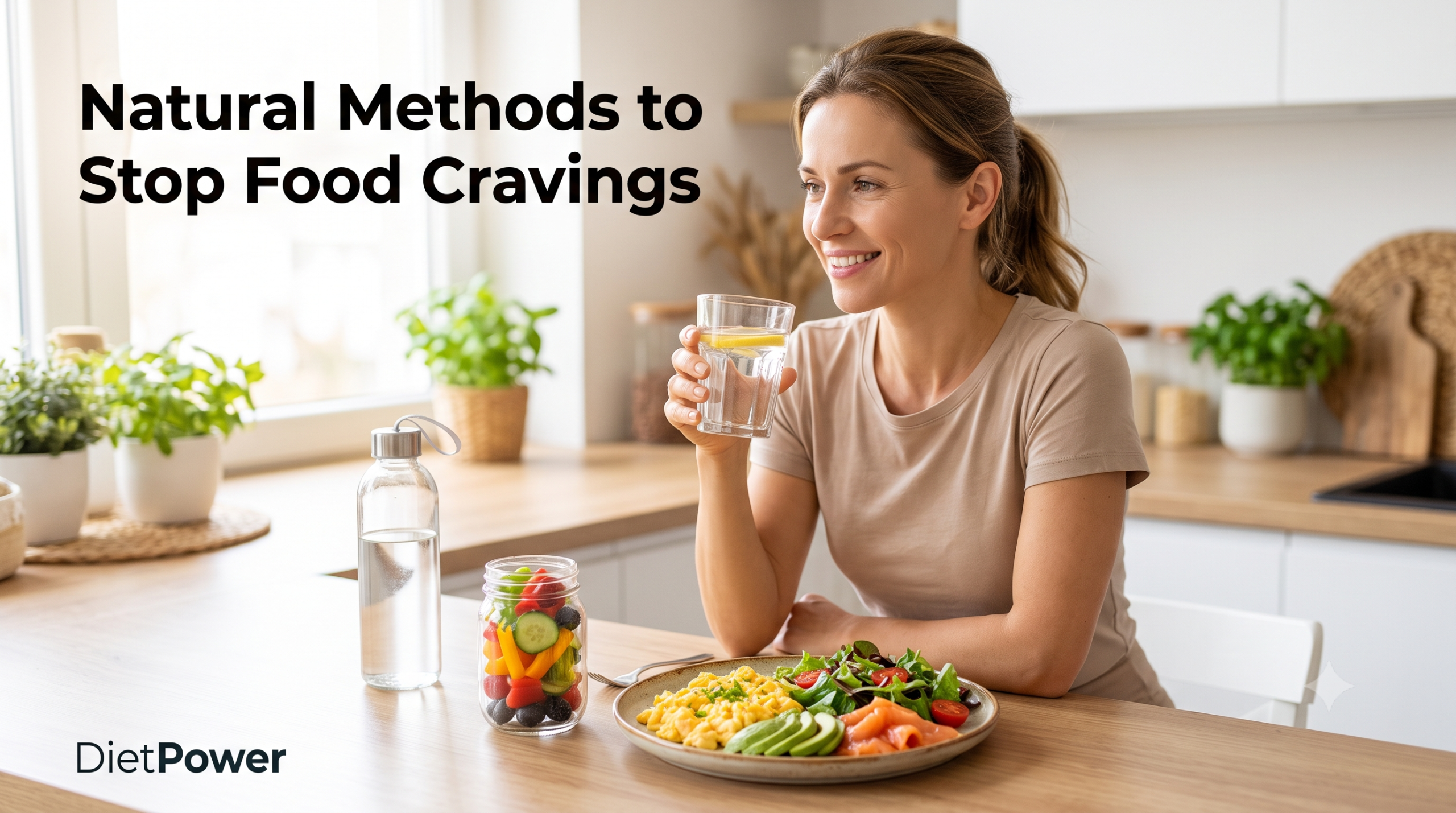
If you’re searching for ways to stop food cravings naturally, you’re probably tired of white-knuckling your way through the day only to raid the pantry at 9 PM. You want practical strategies that don’t require superhuman willpower—approaches that work with your biology, not against it.
This guide focuses on proven methods to reduce craving frequency and intensity. These aren’t tricks or hacks. They’re evidence-based strategies nutritionists use to help dieters navigate the biological and psychological drivers behind persistent food thoughts.
What This Guide Covers (And What It Doesn’t)
This article delivers 15 actionable techniques to stop food cravings naturally during weight loss or dietary transitions. You’ll learn why each strategy works, how to implement it correctly, and which combinations produce the strongest results.
What you’ll get:
- Immediate techniques you can apply today
- The science behind why cravings intensify during dieting
- Decision logic for choosing the right strategies for your situation
What this isn’t:
- A deep dive into neuroscience or hormonal physiology
- Medical treatment for eating disorders (if cravings feel compulsive or uncontrollable, consult a healthcare provider)
- A meal plan or structured diet protocol
If you’re looking for foundational education about hunger signals or metabolic adaptation, that’s pillar content territory. This guide assumes you understand the basics and need practical intervention strategies now.
In Short
- This is a decision-focused guide, not nutritional theory
- Best for dieters experiencing frequent, disruptive cravings
- If cravings feel compulsive or anxiety-driven, professional support may be more appropriate than self-guided strategies
What Makes a Craving-Control Strategy Actually Work

Not all anti-craving advice is equally effective. The strategies that consistently produce results share three core characteristics:
1. Biological Plausibility Effective strategies address actual physiological triggers—blood sugar fluctuations, dehydration, inadequate protein intake, or sleep-related hormone disruption. Techniques that ignore biology (like “just distract yourself”) fail when the body’s survival systems override conscious control.
2. Realistic Implementation A strategy you can’t sustain for more than three days isn’t a strategy. The best approaches integrate seamlessly into existing routines without requiring extreme schedule changes, specialized equipment, or perfect conditions.
3. Measurable Impact Within 48-72 Hours You should notice reduced craving frequency or intensity within two to three days. If a technique produces no observable change after consistent application for one week, it’s not working for your specific physiology or situation.
Evaluation criteria for this guide:
- Does the strategy target a known biological craving mechanism?
- Can you implement it without overhauling your entire routine?
- Will you know within days whether it’s helping?
What This Means
- Effective strategies work with your body’s systems, not against them
- You need approaches you can actually maintain beyond the motivation phase
- Results should be noticeable quickly—you’re not waiting months to see if something works
15 Science-Backed Strategies to Stop Food Cravings Naturally

1. Drink 16 Ounces of Water First
Thirst and hunger share overlapping neural pathways. Mild dehydration (as little as 1-2% body water loss) can trigger perceived hunger, especially for water-rich foods like sweets and chips.
How to apply: Before reaching for food, drink a full 16-ounce glass of water. Wait 10 minutes. If the craving persists, it’s likely genuine hunger.
2. Eat 20-30 Grams of Protein Per Meal
Protein increases peptide YY (PYY) and GLP-1, gut hormones that signal satiety to the brain. Meals with adequate protein reduce between-meal cravings by 60% compared to lower-protein alternatives.
How to apply: Include eggs, Greek yogurt, chicken, fish, tofu, or legumes at breakfast, lunch, and dinner. Track protein for three days to establish your baseline.
3. Prioritize 7-8 Hours of Sleep
Sleep restriction increases ghrelin (hunger hormone) and decreases leptin (satiety hormone), creating a biological drive toward high-calorie foods. One night of poor sleep can increase next-day cravings for sugar and refined carbs by 25%.
How to apply: Set a consistent bedtime. Turn off screens 60 minutes before sleep. If insomnia is chronic, address it separately—this strategy can’t compensate for untreated sleep disorders.
4. Use the 10-Minute Delay Rule
Craving intensity peaks within 3-5 minutes, then begins to fade. Most cravings dissipate completely if you avoid acting on them for 10-15 minutes.
How to apply: When a craving hits, set a timer for 10 minutes. Do something else—fold laundry, step outside, text a friend. Reassess afterward.
5. Plan Eating Times in Advance
Irregular eating patterns cause blood sugar fluctuations that amplify cravings. Consistent meal timing stabilizes glucose and reduces the frequency of intense hunger spikes.
How to apply: Eat at roughly the same times daily. Three meals plus one planned snack works for most people. Avoid gaps longer than 4-5 hours without food.
6. Remove Visual Triggers from Your Environment
You’re 3x more likely to eat food you can see. Environmental cues (visible cookies, office candy bowls, food packaging) activate reward pathways even when you’re not hungry.
How to apply: Store tempting foods in opaque containers or behind cabinet doors. Keep fruit and vegetables at eye level in your refrigerator. Unfollow social media accounts that post triggering food content.
7. Practice 4-7-8 Breathing for Stress-Related Cravings
Stress elevates cortisol, which increases preference for high-sugar, high-fat foods. Controlled breathing lowers cortisol within 5 minutes.
How to apply: Inhale for 4 counts, hold for 7, exhale for 8. Repeat 4 times. Use this technique when you recognize stress-triggered eating urges.
8. Chew Sugar-Free Gum
Chewing activates satiety-related jaw muscles and provides oral stimulation that can satisfy the mechanical urge to eat without calorie intake.
How to apply: Keep gum in your car, desk, and bag. Choose mint or cinnamon flavors, which reduce sweet cravings more effectively than fruit flavors.
9. Add 10-15 Grams of Fiber to Each Meal
Soluble fiber slows gastric emptying and promotes the release of appetite-suppressing gut hormones. High-fiber meals extend satiety by 2-3 hours compared to low-fiber alternatives.
How to apply: Add vegetables to breakfast (spinach in eggs), include beans or lentils at lunch, and choose whole grains over refined carbs at dinner.
10. Take a 10-Minute Walk
Physical movement disrupts the craving neural circuit and increases blood flow to the prefrontal cortex (decision-making region), making it easier to resist impulses.
How to apply: When cravings hit, walk around your building, climb two flights of stairs, or do 10 bodyweight squats. The movement itself is the intervention.
11. Brush Your Teeth After Meals
The mint flavor signals “eating time is over” and makes most foods taste less appealing immediately afterward.
How to apply: Brush your teeth or use mouthwash within 15 minutes of finishing dinner. This creates a psychological boundary between meals.
12. Identify Your Emotional Triggers
Fifty-eight percent of cravings are emotionally driven (boredom, stress, loneliness) rather than physiologically necessary. Awareness disrupts automatic eating.
How to apply: Before eating between meals, ask: “Am I physically hungry, or am I avoiding something?” Keep a three-day log noting what you felt before each craving.
13. Use Smaller Plates and Bowls
Portion sizes influence both how much you eat and how much you want to eat. Visual cues (a “full” plate) affect satiety perception independent of actual volume consumed.
How to apply: Use 9-inch plates instead of 12-inch plates. Serve snacks in small bowls rather than eating from the package.
14. Eat Without Screens
Distracted eating reduces satiety signals by up to 30%. Your brain doesn’t register fullness as effectively when attention is divided.
How to apply: Put your phone in another room during meals. Turn off the TV. Eat at a table, not on the couch.
15. Pre-Portion Healthy Snacks for the Week
Decision fatigue increases cravings. When you have to actively choose and prepare something, you’re more likely to default to convenient (often less nutritious) options.
How to apply: Every Sunday, portion nuts, cut vegetables, or hard-boil eggs into grab-and-go containers. Make the healthy choice the easiest choice.
Key Takeaways
- Most strategies target either biological drivers (hydration, protein, sleep) or environmental/behavioral patterns
- You don’t need all 15—start with 3-4 that address your specific craving triggers
- Combining biological and behavioral strategies typically produces stronger results than either alone
Best For (And Who Should Skip These)
These strategies work best for:
- Dieters experiencing frequent cravings during calorie restriction
- People transitioning to whole-food or lower-carb eating patterns
- Anyone noticing specific craving patterns tied to stress, sleep, or meal timing
These strategies may not be sufficient if:
- Cravings feel compulsive or accompanied by loss of control
- You’re experiencing binge eating episodes (consuming large amounts rapidly, followed by distress)
- Food thoughts dominate most of your day
- You’re restricting severely (under 1,200 calories daily for women, 1,500 for men)
✔️ Pros:
- Evidence-based approaches with documented effectiveness
- Can be implemented individually or in combination
- Address both physiological and psychological craving mechanisms
- No special equipment or supplements required
⚠️ Limitations:
- Won’t eliminate all cravings (occasional food desires are normal)
- Less effective for hormonally-driven cravings (PMS, pregnancy)
- Require consistent application—sporadic use produces minimal results
- Don’t address underlying eating disorders or severe restriction patterns
💡 Expert Diet Tip
The most common mistake with anti-craving strategies is trying too many at once. Start with the biological basics: adequate protein, sufficient sleep, and regular meal timing. Master those for two weeks before adding behavioral techniques. Building sequentially produces better long-term adherence than attempting a complete overhaul overnight.
Quick Summary
- These strategies are for routine cravings, not compulsive eating patterns
- If cravings feel uncontrollable, that’s a different issue requiring professional assessment
- Start with 3-4 strategies, not all 15 simultaneously
Common Pitfalls and Limitations
Even well-designed strategies have failure points. Here’s what commonly goes wrong:
Over-reliance on willpower alone: Willpower is a finite resource that depletes throughout the day. Strategies that depend solely on resisting urges (like “just don’t eat it”) fail consistently. Effective approaches reduce exposure to triggers or provide competing behaviors, not just mental resistance.
Ignoring hunger in favor of craving control: If you’re genuinely undereating, no strategy will eliminate cravings. Your body will continue signaling for food because it needs energy. Craving-control techniques work when you’re eating adequate calories but experiencing cravings beyond physiological need.
Expecting immediate perfection: You’ll still experience cravings while implementing these strategies. Success means reduced frequency and intensity, not complete elimination. If you expect zero cravings and interpret any food desire as failure, you’ll abandon the approach prematurely.
Skipping the identification phase: Without knowing whether your cravings are triggered by inadequate sleep, stress, environmental cues, or blood sugar fluctuations, you’re guessing at solutions. Track for 3-5 days before selecting strategies.
Not addressing restrictive eating patterns: If you’ve labeled entire food categories “forbidden,” your brain will fixate on them regardless of hydration, sleep, or protein intake. Psychological restriction creates its own craving cycle that behavioral strategies alone can’t resolve.
In Short
- These strategies reduce cravings; they don’t eliminate normal food desire
- If you’re chronically undereating, your body will override any technique
- Craving control requires addressing root causes, not just symptoms
Your Next Move: Choosing the Right Starting Point
You don’t need all 15 strategies. You need the 3-4 that address your specific craving drivers.
If your cravings are worst at night: Start with strategies 4, 5, and 11 (delay rule, planned eating times, brushing teeth after dinner).
If cravings hit during work or high-stress periods: Implement strategies 2, 7, and 15 (protein at meals, breathing technique, pre-portioned snacks).
If you’re constantly thinking about food despite eating enough: Focus on strategies 3, 6, and 12 (sleep optimization, environmental control, emotional trigger identification).
If cravings spike unpredictably throughout the day: Try strategies 1, 9, and 10 (water first, added fiber, movement breaks).
Implementation protocol:
- Choose 3 strategies based on your primary craving triggers
- Apply them consistently for 7 days
- Assess: Are cravings less frequent? Less intense? Easier to manage?
- If yes, maintain those strategies and add 1-2 more if needed
- If no change after 7 days, switch to different strategies targeting alternative mechanisms
The goal isn’t perfection. It’s giving yourself viable options when cravings hit so you’re not relying on willpower alone. Over time, these strategies become automatic responses rather than conscious interventions.