
16:8 vs. 18:6 Intermittent Fasting: Which Fits a 9-to-5 Work Schedule Better?

Starting an intermittent fasting routine while balancing a demanding corporate schedule is a delicate act. For office workers, the choice typically comes down to two popular time-restricted feeding structures: the 16:8 method and the 18:6 method. Finding a routine that aligns with your professional life is crucial for long-term consistency. In this guide, we analyze how to implement intermittent fasting 9-to-5 schedules without sacrificing cognitive performance or office social dynamics.
Scope of This Schedule Comparison

This comparison focuses specifically on how the 16:8 and 18:6 fasting structures integrate with a standard professional workday. We will evaluate how eating windows impact daily energy levels, social pressure in corporate environments, and athletic timing (if you workout before or after work). This analysis does not cover therapeutic fasting protocols for medical conditions, nor does it prescribe specific caloric deficits. It is designed purely to help healthy adults identify the most sustainable, low-stress daily schedule.
Evaluation Criteria for Working Professionals
To determine which schedule fits best, we must evaluate them through three practical lenses:
- Social Integration: Can you eat lunch with colleagues or dinner with your family without awkward explanations or isolation?
- Cognitive Consistency: Does the fasting window cause a mid-morning slump or late-afternoon brain fog during critical meetings?
- Meal Prep Feasibility: Does the schedule reduce or increase your daily logistical stress?
According to Harvard Medical School nutritional research, sustainability is the primary predictor of any dietary pattern’s success. If a schedule disrupts your professional life or sleep patterns, its biological benefits are quickly neutralized by stress.
Quick Summary
- 16:8 offers a larger eating window, which easily accommodates a standard lunch and dinner with colleagues.
- 18:6 requires a tighter six-hour window, often forcing a choice between skipping lunch or skipping dinner entirely.
Comparison and Recommendation: 16:8 vs. 18:6
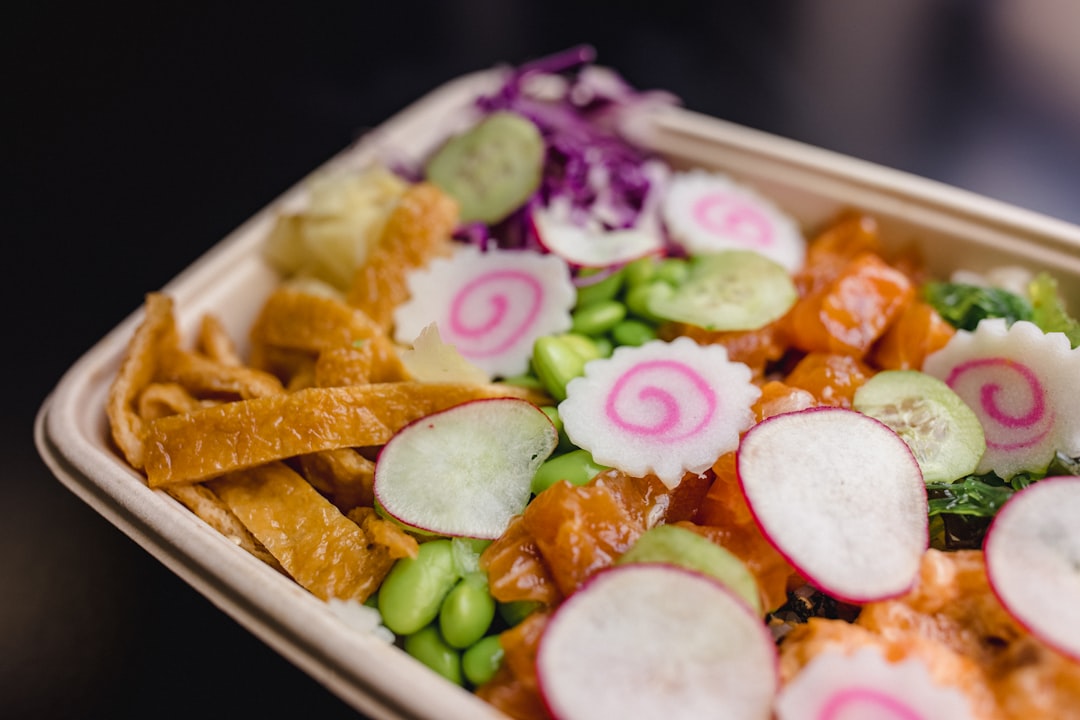
The 16:8 protocol allows for an eight-hour eating window, typically from 12:00 PM to 8:00 PM. This is the most popular corporate fasting structure because it mirrors standard social behavior. You skip breakfast, eat lunch at noon, and have a normal dinner.
The 18:6 protocol constricts the eating window to six hours, such as 12:00 PM to 6:00 PM or 1:00 PM to 7:00 PM. While this deeper fasting state can support physiological adaptations, the tighter window presents structural challenges. If you eat lunch at noon, you must complete dinner by 6:00 PM, which is often difficult for commuters who do not arrive home until late evening.
Key Takeaways
- A 16:8 routine is generally more sustainable for corporate environments due to social dining alignment.
- An 18:6 schedule provides deeper fasting benefits but demands strict discipline during critical work hours.
| Schedule Type | ✔️ Pros for 9-to-5 Workers | ⚠️ Cons for 9-to-5 Workers |
|---|---|---|
| 16:8 Fasting | Highly social; aligns with standard lunch/dinner hours; stable energy levels. | Slower metabolic adaptation rate; tempting to overeat during the long window. |
| 18:6 Fasting | Fewer meals to prep; deeper physiological fast; potential for higher focus periods. | Hard to balance lunch with coworkers; risk of late-afternoon energy crashes. |
Bottom Line
- 16:8 is the clear winner for corporate office environments where social lunch meetings and dinners are common.
- 18:6 is highly effective but best reserved for remote workers or those with predictable, stress-free commutes.
Best For / Not For Filter
Who 16:8 Is Best For:
- Professionals who commute and cannot control their exact evening arrival times.
- Those who prioritize evening family dinners or client entertainment.
- Fasting beginners who want to avoid morning irritability.
Who 18:6 Is Best For:
- Remote workers with flexible food access who can easily cook mid-afternoon.
- Individuals looking to minimize daily meal prep to a single large meal and a light snack.
- Experienced fasters whose bodies are already keto-adapted and do not experience blood sugar fluctuations.
Who Should Avoid Both During Work Hours:
- Individuals with a history of disordered eating.
- Those whose jobs require intense physical labor or high-stakes, uninterrupted morning concentration that is easily disrupted by early fasting fatigue.
💡 Expert Diet Tip
If you choose the 18:6 method, schedule your eating window from 12:00 PM to 6:00 PM. This lets you join colleagues for lunch while finishing your final meal shortly after getting off work, preserving both social connections and metabolic consistency.
Risks and Limitations of Corporate Fasting
Fasting during a high-stress workday carries distinct risks. Prolonged food deprivation raises cortisol levels, which can manifest as irritability or difficulty focusing. Furthermore, skipping breakfast can sometimes lead to compensatory overeating during evening hours, which disrupts sleep quality.
To mitigate early-day fatigue, maintaining electrolyte balance is essential. Using a high-quality sugar-free electrolyte powder during the fasting window can help maintain hydration and manage physical fatigue during long morning meetings without breaking your fast.
Additionally, clinical observations on cognitive performance show that metabolic adaptation to fasting takes time. Expecting peak mental clarity during your first week on an 18:6 schedule is unrealistic; a gradual transition is always safer.
In Short
- Hydration is critical during the morning fast to prevent brain fog before lunch.
- Transitioning slowly from 16:8 to 18:6 prevents the biological stress of sudden calorie restriction during a busy workday.
Final Decision Framing: How to Choose Your Window
If you are new to time-restricted eating, start with the 16:8 schedule. This pattern allows you to test your cognitive tolerance to morning fasting with minimal lifestyle friction. Run this trial for two weeks, paying close attention to your energy levels around 11:00 AM and your sleep quality at night. If you find yourself consistently comfortable and want to simplify your meal logistics further, only then should you contract your window to 18:6.
Frequently Asked Questions
Q1: Can I drink coffee during my morning fasting window at the office?
Yes. Plain black coffee, unsweetened tea, and water will not break your fast. Avoid adding milk, creamer, or sugar, as even small amounts of carbohydrates trigger an insulin response.
Q2: What should I do if my office schedules a lunch meeting outside my eating window?
Flexibility is key to long-term success. If you are on an 18:6 schedule but have a mandatory lunch, simply shift your eating window earlier for that day, or revert temporarily to a 16:8 pattern.
Q3: Will fasting during my 9-to-5 cause muscle loss if I exercise after work?
No, provided you consume adequate protein during your eating window. If you exercise after work, ensure your post-workout meal falls inside your eating window so your muscles have access to amino acids for recovery.
Ultimately, the best fasting schedule is the one that causes the least amount of friction in your daily life. Choose sustainability over speed, and prioritize consistency to see lasting results.