
Freezer Meal Prep vs. Fridge Meal Prep: Which Keeps Nutrients Better?
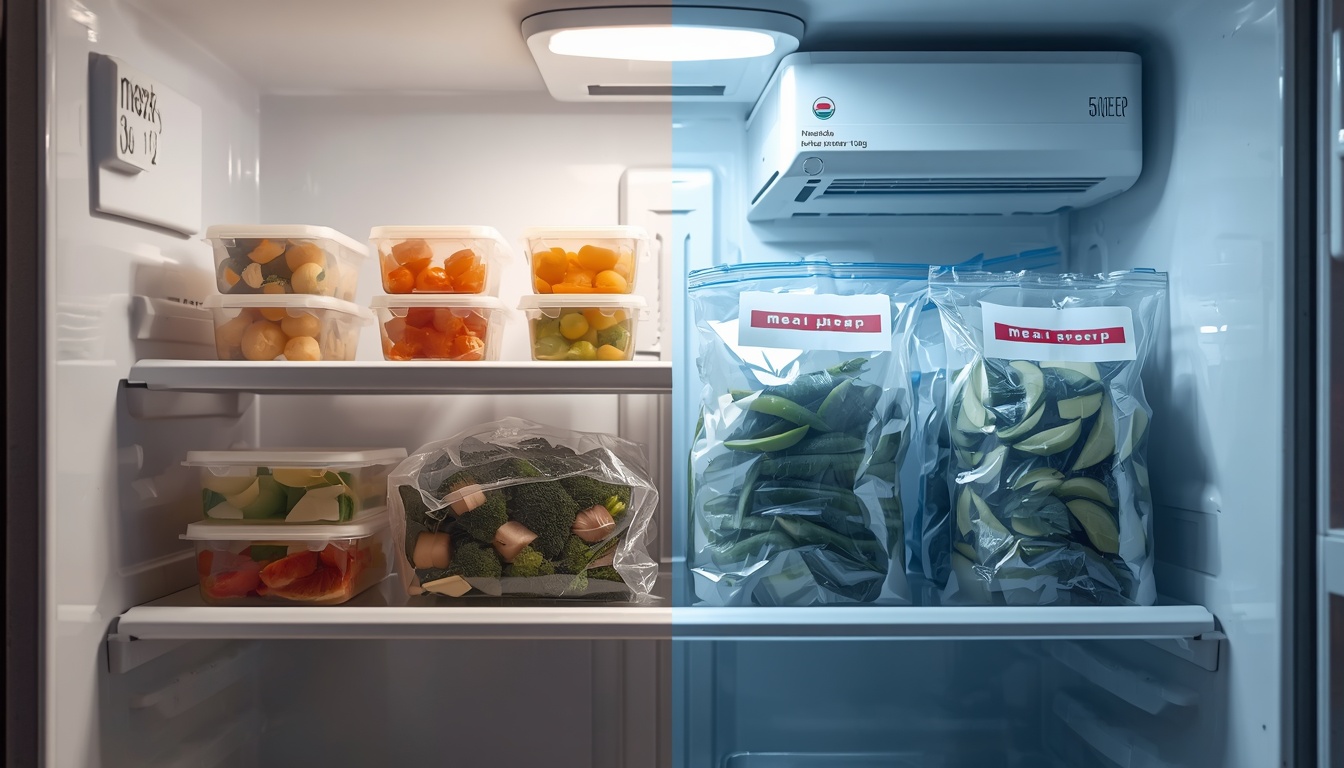
Freezer meal prep preserves vitamins better than fridge meal prep over long periods, though short-term refrigeration keeps textures closer to fresh. Deciding between freezing and refrigerating your prepared meals impacts both nutritional value and food safety. This guide compares how both storage methods affect vitamins, minerals, and overall food quality.
What This Comparison Covers
We are analyzing the scientific differences in nutrient preservation between freezing and refrigerating cooked meals. Our focus remains strictly on micronutrient stability, food safety, and practical kitchen logistics. We will not cover commercial preservation methods or complex industrial freeze-drying. Instead, you will learn how to optimize your home-cooked meals for maximum nutrition.
Quick Summary
- Freezing stops nutrient degradation almost completely, preserving vitamins for months.
- Refrigeration is ideal for short-term consumption within three to four days.
- Using airtight containers is critical to prevent nutrient oxidation in both methods.
Key Nutrient Evaluation Factors
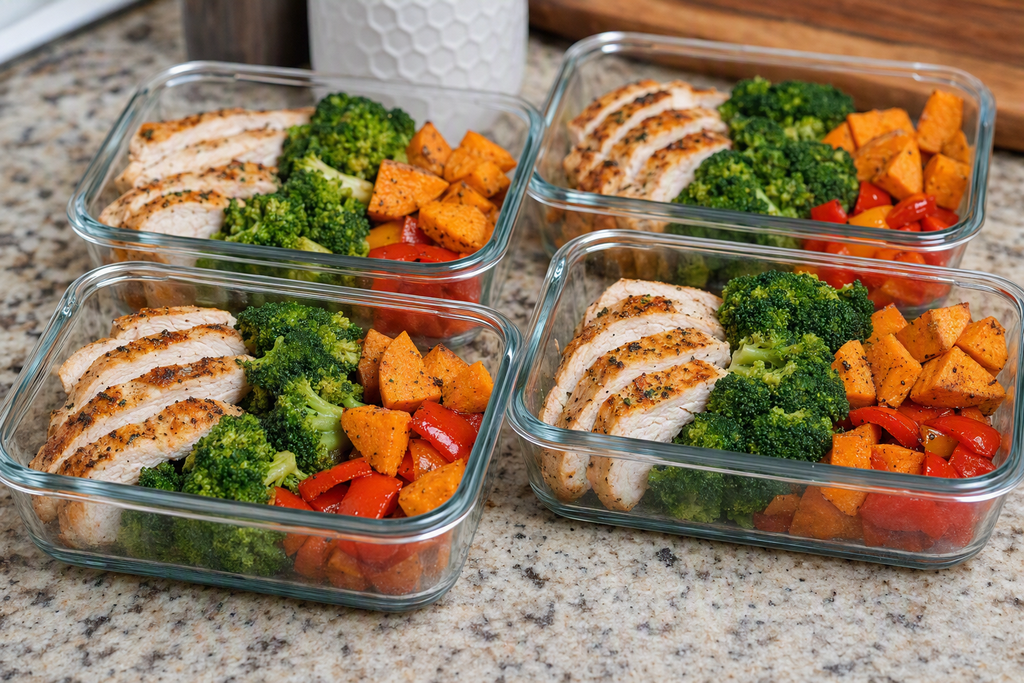
Nutrient retention depends on temperature, light exposure, and oxygen levels. Water-soluble vitamins like vitamin C and B vitamins degrade quickly when exposed to air and mild heat. Refrigeration slows this decay but does not stop it. Within three days, refrigerated vegetables can lose up to fifty percent of their vitamin C content.
In contrast, freezing halts biological activity and enzyme action. This preservation locks in vitamins at their peak state. However, the freezing process itself can cause minor structural damage to plant cells. When thawed, some water-soluble nutrients leach out in the lost moisture.
Freezer Meal Prep vs Fridge: Nutrient Retention
Freezer meal prep wins for long-term nutrient retention, while fridge storage wins for short-term texture quality. If you plan to eat your meals within seventy-two hours, the fridge is highly efficient. For anything stored longer, freezing is the superior choice to prevent vitamin oxidation.
Let’s look at the data. A study published by the National Center for Biotechnology Information shows that frozen vegetables retain comparable nutrient levels to fresh counterparts. Refrigerated items, however, lose nutrients steadily every single day.
To keep your meals fresh, storing them in airtight glass dishes or vacuum-sealed bags is essential. Using high-quality vacuum sealer bags for food helps eliminate oxygen, which is the main driver of nutrient loss during storage.
Key Takeaways
- Freezing maintains macronutrients and fat-soluble vitamins perfectly.
- Fridge storage allows slow, continuous nutrient loss over time.
| Factor | Fridge Storage (1-4 Days) | Freezer Storage (1-3 Months) |
|---|---|---|
| Vitamin C Retention | Moderate to Low | High |
| Texture Retention | High | Moderate to Low |
| Bacterial Safety | Short-term only | Long-term stop |
Who Each Storage Method Is Best For
Choosing between these two methods depends on your lifestyle and health goals. Your weekly schedule should dictate how you store your prepared food.
Fridge Storage is Best For:
- Busy professionals who prioritize food texture and taste.
- Individuals who meal prep twice a week to keep food fresh.
- People focused on high-protein meals that dry out when frozen.
Freezer Meal Prep is Best For:
- Batch cookers who prepare two or more weeks of food at once.
- Anyone looking to minimize food waste and extend shelf life.
- Individuals tracking micronutrient intake who want to lock in vitamins.
💡 Expert Diet Tip
Blanch your vegetables for one to two minutes before freezing. This inactivates the enzymes responsible for nutrient loss and color fading, keeping your freezer meal prep vibrant and nutritious.
Risks and Limitations of Both Methods
Both methods carry specific food safety risks if executed incorrectly. Refrigerated meals left past four days can harbor harmful bacteria like Listeria. This risk increases if your refrigerator temperature rises above forty degrees Fahrenheit.
Freezer storage does not kill bacteria; it merely puts them dormant. Once you thaw your freezer meal prep, bacterial growth resumes at a normal pace. Additionally, improper packaging leads to freezer burn, which ruins taste and degrades fats.
How to Choose Your Prep Strategy
Your decision should balance nutrition goals with your daily eating habits. If you value nutritional density over long periods, freeze your meals immediately after cooling. For those who prefer superior texture and quick reheating, a semi-weekly fridge routine works best.
Combining both methods often yields the best results. Keep three days of meals in the fridge, and freeze the rest. This hybrid approach optimizes both flavor and nutritional value.
In Short
- Freeze meals you will not eat within four days.
- Refrigerate meals for immediate, short-term convenience.
- Always cool meals completely before sealing to prevent condensation.
Frequently Asked Questions
Does reheating frozen meals destroy more nutrients than reheating refrigerated ones?
No, the reheating method matters more than the storage state. Microwaving or steaming quickly preserves more vitamins than boiling or long baking times.
How long can freezer meal prep safely stay frozen?
While food remains safe indefinitely at zero degrees Fahrenheit, quality and nutrients begin to degrade after three months.
Can you safely refreeze meals after thawing them?
You should not refreeze meals unless you cook them again first. Refreezing thawed meals degrades food texture and increases bacterial contamination risks.
The Bottom Line
Ultimately, both fridge and freezer storage have their place in a healthy routine. Balance your schedule, prioritize food safety, and use airtight containers to get the most out of your hard work.