
Salt Water During a Fast: Does Adding Electrolytes Break Your Fast?
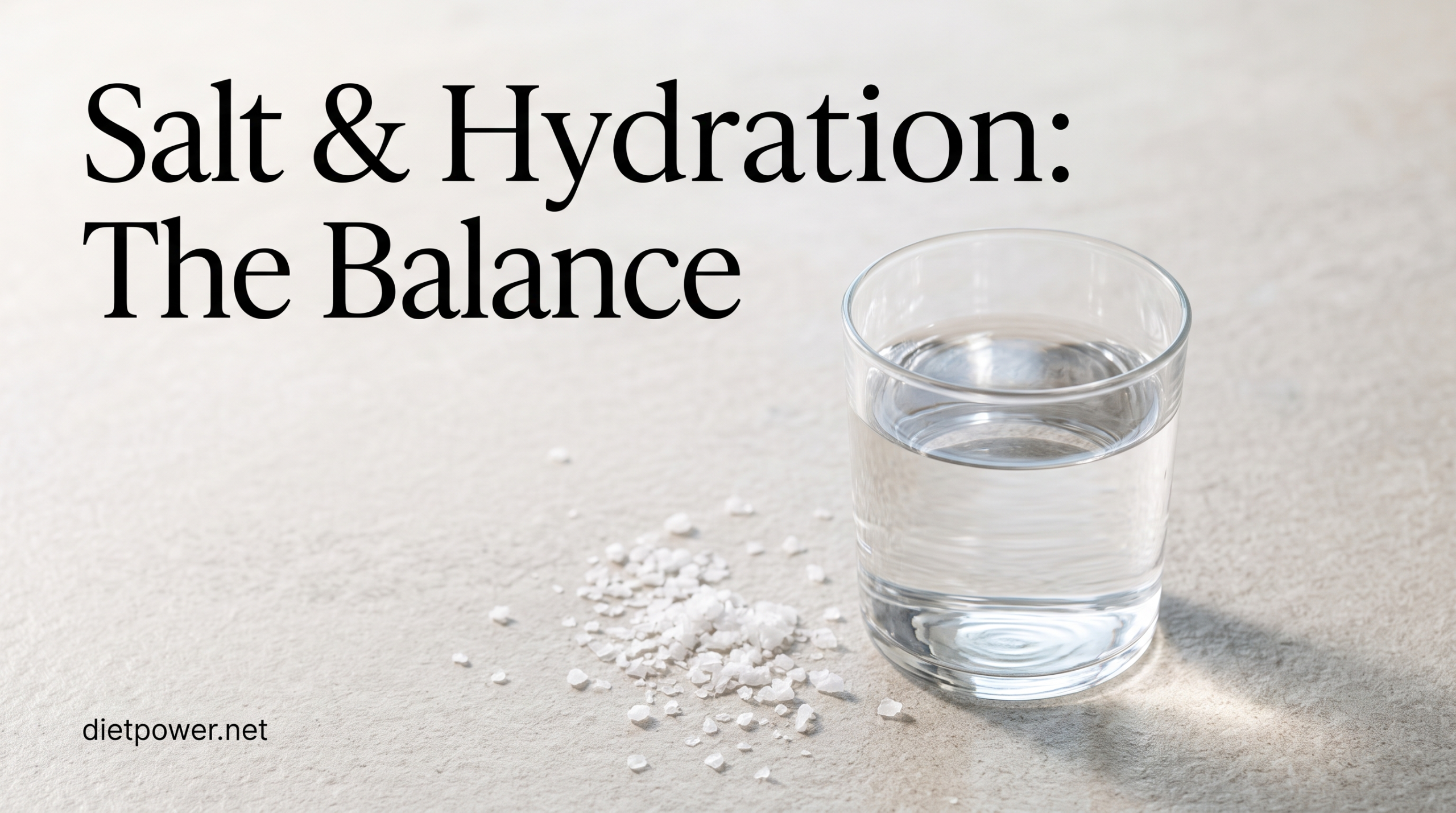
Drinking salt water during a fast will not break your fast if it contains pure sodium and zero calories. Plain unflavored salt water provides essential electrolytes without triggering an insulin response or stopping autophagy. However, many commercial electrolyte powders contain hidden sugars, calories, or artificial ingredients that can disrupt fasting benefits.
Many people starting an extended or intermittent fast suffer from head aches, fatigue, and muscle cramps. These symptoms, often called the keto flu, stem from rapid sodium loss in urine as insulin drops. Adding pure salt water during a fast replenishes essential minerals cleanly. This article explores how sodium, potassium, and magnesium interact with metabolic pathways during fasting.
Quick Summary
- Pure salt water contains zero calories and zero macronutrients, meaning it cannot break a fast.
- Electrolytes preserve blood volume and prevent fatigue, brain fog, and muscle cramping.
- Flavored electrolyte mixes frequently contain maltodextrin or amino acids that spike insulin.
- Choosing plain mineral salts or clean sugar-free formulations keeps your metabolic fast intact.
Scope Declaration: Pure Minerals vs. Commercial Electrolyte Blends
Understanding whether salt water during a fast is safe requires defining your specific fasting goal. If your goal is weight loss, any beverage under five calories keeps you in a fat-burning state. If your goal is deep cellular autophagy or gut rest, requirements become far stricter. Pure mineral salts affect metabolic biology very differently than pre-mixed drink powders.
Plain sodium chloride, potassium chloride, and magnesium citrate contain zero carbohydrates, proteins, or fats. They pass through the digestive tract without activating digestive enzymes or nutrient-sensing pathways like mTOR. Commercial mixtures, however, often contain bulk sweeteners, natural flavors, and citric acid. These additives may stimulate insulin release or break a strict digestive fast.
Skip If: You have unmanaged high blood pressure, severe kidney disease, or are doing short 12-hour overnight fasts.
Biological Evaluation: How Electrolytes Impact Metabolic Fasting
When you fast, your circulating insulin levels drop significantly. This insulin drop signals your kidneys to excrete excess water and sodium rapidly. According to biological research published by the National Institutes of Health, lower insulin levels cause increased urinary sodium excretion. Without adequate sodium intake, blood volume contracts, causing low blood pressure and elevated heart rate.
Drinking plain salt water during a fast restores fluid balance in extracellular space. Sodium works alongside potassium to maintain cellular membrane potential and nerve signaling. Magnesium supports neuromuscular function and energy production within cell mitochondria. Consuming these raw minerals provides necessary ionic balance without introducing chemical energy into the cells.
Autophagy is the cellular cleanup process stimulated by nutrient deprivation. Research indexed in the Journal of Cell Biology demonstrates that amino acids and glucose directly inhibit autophagy by activating mTOR. Because sodium chloride and potassium chloride contain no amino acids or carbohydrates, they do not suppress autophagy at all.
💡 Expert Diet Tip
Never gulp concentrated salt water quickly on an empty stomach. High concentrations of sodium in your intestine pull fluid rapidly into your gut, causing sudden osmotic diarrhea. Sip your salted water slowly over 30 to 60 minutes instead.
Evaluating Types of Electrolyte Solutions During Fasting
Not all electrolyte sources are equal when maintaining a clean fast. Some options supply pure ionic minerals, while others contain hidden additives that defeat your metabolic efforts. Evaluating labels carefully ensures you stay in full ketosis and maintain low baseline insulin.
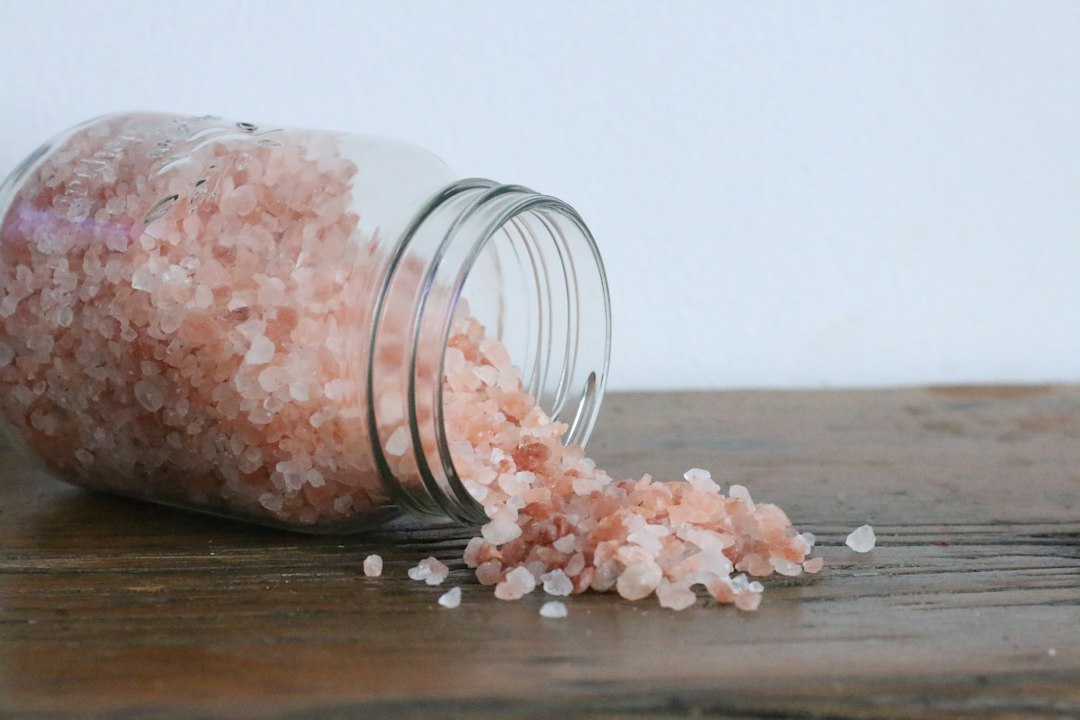
Unrefined sea salt, Himalayan pink salt, and food-grade mineral drops are ideal options. They supply sodium chloride along with trace amounts of calcium and potassium. If you prefer a convenience product, choosing a quality sugar-free electrolyte powder without dextrose or maltodextrin allows you to stay hydrated while keeping calories strictly at zero.
Key Takeaways
- Pure unflavored mineral salts never break a fast or trigger metabolic interference.
- Sweetened mix powders must be audited for dextrose, cane sugar, and branched-chain amino acids.
- Sodium maintains plasma volume and prevents early fasting exhaustion.
| Electrolyte Source | Caloric Value | Effect on Insulin | Fasting Safety |
|---|---|---|---|
| Pure Pink Himalayan Salt | 0 Calories | Zero Impact | Safe for All Fasting Goals |
| Potassium Chloride Powder | 0 Calories | Zero Impact | Safe for All Fasting Goals |
| Zero-Sugar Electrolyte Mix | 0 to 5 Calories | Negligible | Safe for Weight Loss & Ketosis |
| Commercial Sports Drinks | 50 to 140 Calories | High Spike | Breaks All Fasts Completely |
Label-Reading Checklist: Ingredients That Break a Fast
Reading ingredient labels on hydration products requires extreme vigilance. Manufacturers frequently add hidden sugars and processing agents to improve flavor or solubility. Using salt water during a fast remains safe only when these problematic additives are absent.
Check the ingredient list for dextrose, glucose, fructose, or cane sugar. Even small quantities, like two grams per packet, stimulate pancreatic insulin production. Furthermore, avoid products containing branched-chain amino acids (BCAAs) or collagen peptides. Protein activates amino acid transporters and turns off autophagy rapidly.
Artificial bulking agents like maltodextrin can also raise blood glucose levels significantly. Maltodextrin has a higher glycemic index than table sugar. Look out for citric acid and artificial flavorings if you are doing a strict medical or gut-rest fast, as they trigger gastric acid secretion and digestive activity.
Best For vs. Who Should Avoid Salt Water During a Fast
Supplementing with salt water during a fast provides distinct benefits for long-duration fasting protocols. However, specific individuals must proceed with caution or avoid extra sodium intake entirely depending on their underlying health status.
People practicing extended fasting beyond 24 hours benefit most from routine electrolyte supplementation. Low carbohydrate intake combined with prolonged fasting accelerates electrolyte excretion. Replenishing sodium prevents sudden fatigue, orthostatic hypotension, and severe muscle cramps during work or exercise routines.
Risks and Limitations of Improper Salt Intake
While salt water during a fast prevents headache and lethargy, excessive or unbalanced consumption carries real health risks. Striking the right balance between water volume and mineral density is essential for safety.
Consuming too much salt at once creates an osmotic gradient in the gastrointestinal tract. This gradient draws water out of circulating blood into the bowel, causing severe diarrhea and dehydration. Conversely, drinking immense volumes of plain water without any sodium causes hyper-dilution, leading to dangerous hyponatremia.
Potassium balance also requires extreme care during fasting. While potassium chloride prevents heart palpitations and muscle weaknesses, high doses taken quickly cause severe nausea or cardiac dysrhythmias. Keep potassium supplementation conservative and spread throughout the entire day.
Step-by-Step Instructions for Making Zero-Calorie Salt Water
Preparing clean salt water during a fast requires basic household ingredients and clean drinking water. Start with 16 to 24 ounces of filtered room-temperature water. Add one-quarter teaspoon of high-quality unrefined sea salt or pink salt.
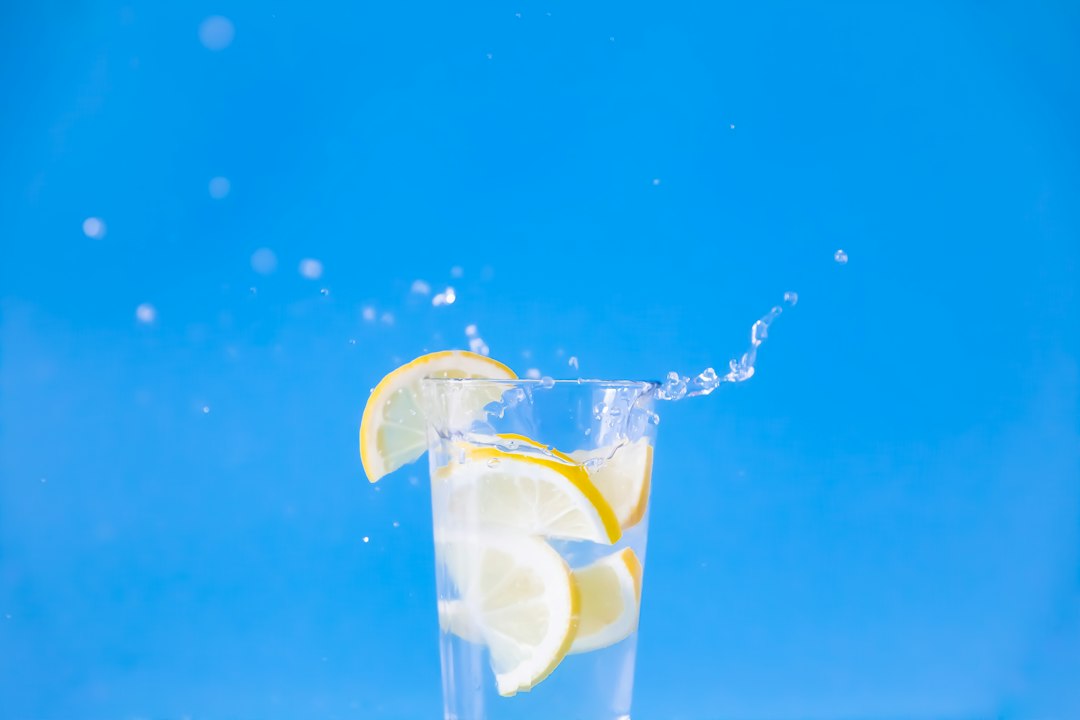
Stir the solution thoroughly until the salt crystals fully dissolve. If you need potassium support, add one-eighth teaspoon of potassium chloride powder. Squeeze a fresh slice of lemon into the glass if your fasting rules allow tiny amounts of citrus juice for flavor.
Sip this solution slowly over the course of an hour during your fasting window. Do not down the glass in single gulps. If the water tastes unpleasantly salty, dilute it further with additional plain water until palatable.
In Short
- Homemade salt water with raw mineral salts guarantees zero hidden sugars or calories.
- Sipping your electrolyte mix slowly prevents digestive upset and osmotic flushing.
- Tailor mineral intake to your fast duration and individual physical activity levels.
Final Decision Framing: How to Decide What Your Body Needs
Deciding whether to add salt water during a fast comes down to listening to your body’s physical signals. If you feel energetic, sharp, and comfortable during intermittent fasting, extra electrolytes may be unnecessary. Your regular meals will supply adequate minerals once your eating window opens.
However, if you experience sudden lightheadedness when standing, persistent headache, or leg cramps, electrolyte depletion is likely occurring. Adding clean salt water quickly corrects these symptoms without sacrificing your metabolic fast. Choose high-purity salts and audit every label carefully to ensure lasting fasting success.
Does pink Himalayan salt break a fast?
No, pink Himalayan salt consists entirely of sodium chloride and trace minerals with zero calories, zero carbohydrates, and zero protein. It does not trigger insulin release or stop autophagy.
How much salt should I put in my water while fasting?
A safe starting point is one-quarter teaspoon of fine sea salt or pink salt in 16 to 24 ounces of water. Sip this mixture slowly throughout your fasting window rather than drinking it all at once.Can I take electrolyte tablets instead of drinking salt water?
Yes, provided the electrolyte tablets contain no added sugars, binders, dextrose, or caloric coatings. Always review the full supplement facts label before taking any tablet during a fast.