
Glass vs. Plastic Meal Prep Containers: Which Actually Matters for Reheating Safety?
⚠️ 관리자 전용 노트 — 대표이미지는 직접 업로드하고, 본문 실패분만 직접 채우세요 (Delete this box before publishing)
대표이미지(썸네일)는 자동으로 업로드되지 않습니다 — 아래 정보를 참고해 워드프레스에서 직접 업로드하세요. 본문 표는 자동 스톡사진 채움이 실패한 IMAGE-N 자리만 표시합니다(있는 경우). Gemini Prompt를 참고해 사진을 직접 넣거나 만들어 넣으세요. 처리가 끝나면 이 안내 박스 전체를 삭제하세요.
| Marker | Alt Text (EN) | Alt Text (KR) | Gemini Prompt |
|---|---|---|---|
| IMAGE-2 | A glass meal prep container inside a clean microwave being reheated safely. | 깨끗한 전자레인지 안에서 안전하게 데워지고 있는 유리 밀프렙 용기. | An close-up shot of a modern microwave door slightly open, showing a clean glass container filled with a healthy quinoa and vegetable meal heating safely inside. Natural steam rising slightly, warm lighting. |
Featured Image / Thumbnail (1280×720px, 16:9)
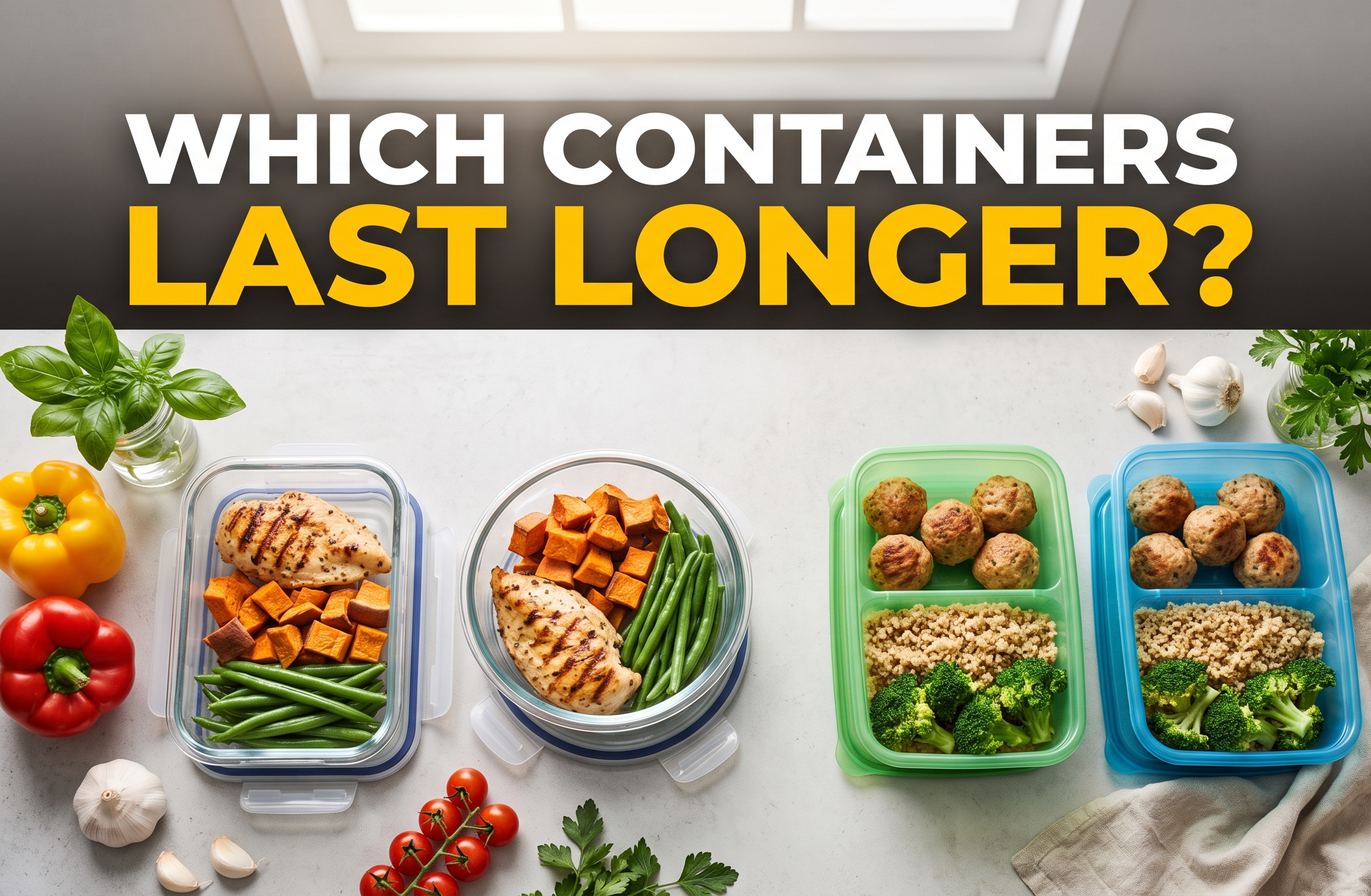
| Gemini Prompt | A professional flat-lay photograph of various modern meal prep containers, comparing clear glass with colored plastic, surrounded by fresh kitchen ingredients. Soft natural lighting, negative space in the upper third for text overlay. |
| Alt Text (EN) | Top-down view comparing glass and plastic meal prep containers on a wooden kitchen surface. |
| Alt Text (KR) | 나무 주방 조리대 위에서 유리와 플라스틱 밀프렙 용기를 비교하는 탑다운 뷰. |
| Description (EN) | A balanced, high-resolution visual layout comparing glass and plastic meal prep containers side by side on a rustic kitchen table. |
| Description (KR) | 소박한 주방 테이블 위에 유리와 플라스틱 밀프렙 용기를 나란히 배치해 비교한 고해상도 이미지. |
Choosing the right glass vs plastic meal prep setup directly impacts your daily health and exposure to chemical disruptors. While plastic options offer lightweight convenience, glass containers remain the gold standard for chemical safety during microwave heating.
Scope of This Container Safety Guide
This guide compares the health, safety, and durability factors of food containers. We focus exclusively on how these materials behave under thermal stress during regular reheating.
Key Takeaways
- Glass is chemically inert and does not leach compounds when heated.
- Plastic containers can release microplastics and chemical plasticizers into hot food.
- Reheating safety depends heavily on temperature and material degradation.
Why Glass vs Plastic Meal Prep Decisions Impact Reheating Safety
Reheating safety depends on how stable a material remains when exposed to high microwave temperatures. Glass containers are made from natural silica, which does not react with acidic or fatty foods. When evaluating glass vs plastic meal prep options, safety experts prioritize material stability.
Conversely, plastic is a synthetic polymer that expands when heated. This expansion allows chemical additives to migrate from the container directly into your meal.
💡 Expert Diet Tip
If you must use plastic, let your food cool completely before sealing the lid. Never microwave plastic containers, even if they carry a BPA-free label.
Risks of Microwave Reheating in Plastic
Heating plastic containers releases millions of microscopic plastic particles into your food. According to research published by the National Institutes of Health, temperature accelerates this particle shedding. Over time, glass vs plastic meal prep studies show that heating plastic accelerates structural breakdown.
Even BPA-free plastics often contain alternative chemicals like BPS or BPF. These compounds act similarly to estrogen and can disrupt normal hormone function. To avoid these risks, switching to high-quality Harvard Health Publishing recommended glass options is your safest strategy.
Investing in durable glass meal prep containers keeps your food free from chemical contamination.
In Short
- Avoid heating any plastic container in the microwave, regardless of safety labels.
- Acidic foods like tomato sauce speed up chemical leaching in plastic.
Comparing Glass and Plastic Durability
Glass containers last for years without absorbing food odors or stubborn stains. Plastic containers warp, scratch, and degrade within months of heavy use. This wear creates microscopic crevices where bacteria can multiply, making the investment in durable glass vs plastic meal prep gear highly valuable.
Glass vs. Plastic Comparison
| Material Type | ✔️ Pros | ⚠️ Cons |
|---|---|---|
| Glass | Chemically inert, dishwasher safe, infinitely reusable, no staining. | Heavy, fragile, higher upfront cost, prone to chipping. |
| Plastic | Lightweight, inexpensive, shatterproof, highly portable. | Prone to warping, stains easily, releases microplastics when heated. |
Best For / Not For Filter
Understanding your lifestyle helps determine which material fits your routine best, which makes comparing glass vs plastic meal prep attributes essential for your weekly cooking routine.
Skip If: You commute long distances on foot and require ultralight, shatterproof lunch boxes.
The Final Verdict on Safe Reheating
Your choice between glass and plastic determines the safety profile of every meal you eat. For reheating purposes, glass is the undisputed winner. If you must use plastic, reserve it strictly for cold snacks or raw ingredients.
Bottom Line
- Prioritize glass for all hot meals and microwaving.
- Maintain your plastic containers strictly for cold storage.
Frequently Asked Questions
Is BPA-free plastic safe to microwave?
No, BPA-free plastic is not guaranteed safe for microwave reheating. Many manufacturers replace BPA with similar chemicals like BPS, which can also leach into hot food and disrupt hormones.
Can glass meal prep containers break in the microwave?
High-quality borosilicate glass is designed to withstand rapid temperature changes. Avoid placing a freezing cold glass container directly into a preheated microwave to prevent thermal shock.
What is the safest way to reheat food if I only have plastic containers?
The safest method is to transfer your meal from the plastic container onto a ceramic plate or glass bowl before microwave reheating. This prevents plastic components from contacting hot food.