Keto on a $50-a-Week Grocery Budget: Is It Actually Realistic?

Yes, maintaining keto on a budget of $50 a week is entirely realistic if you prioritize whole, unprocessed foods. Many beginners mistakenly believe that a low-carbohydrate lifestyle requires expensive grass-fed meats, organic avocados, and specialty packaged snacks. In reality, you can achieve and sustain ketosis using humble, nutrient-dense staples from any standard grocery store. This guide breaks down exactly how to make a fifty-dollar weekly budget work for your metabolic goals.
Quick Summary
- A $50 weekly keto budget is realistic but requires strict planning and minimal specialty products.
- Focus on affordable fat and protein sources like eggs, chicken thighs, canned tuna, and block cheese.
- Pre-packaged keto snacks quickly drain your budget and should be avoided.
Scope of Our Budget Analysis
This analysis focuses strictly on a single adult shopping at standard U.S. supermarkets like ALDI, Walmart, or regional equivalents. We exclude high-end organic grocers, bulk warehouse memberships, and expensive meal delivery services from this pricing model. Our goal is to evaluate the nutritional adequacy and practical logistics of eating under twenty grams of net carbohydrates daily. We assume you have basic pantry staples like salt, pepper, and cooking oil already at home.
Key Evaluation Criteria for Keto on a Budget
To determine if a low-budget keto plan is safe and sustainable, we evaluate it across three distinct nutritional and lifestyle factors. First, macronutrient compliance is essential. Your meals must remain high in healthy fats and moderate in protein while keeping carbohydrates extremely low. Second, micro-nutritional density cannot be sacrificed. A cheap diet that lacks essential vitamins and minerals will quickly lead to fatigue or muscle cramps.
Buying an affordable sugar-free electrolyte powder can help you maintain keto on a budget without feeling depleted or experiencing the keto flu. Third, daily preparation time must be realistic. Low-cost cooking usually requires more kitchen prep time, which we must balance against a busy modern schedule. If you want to master keto on a budget, you must plan your grocery trips around weekly store flyers.
How to Structure an Affordable Low Carb Plan
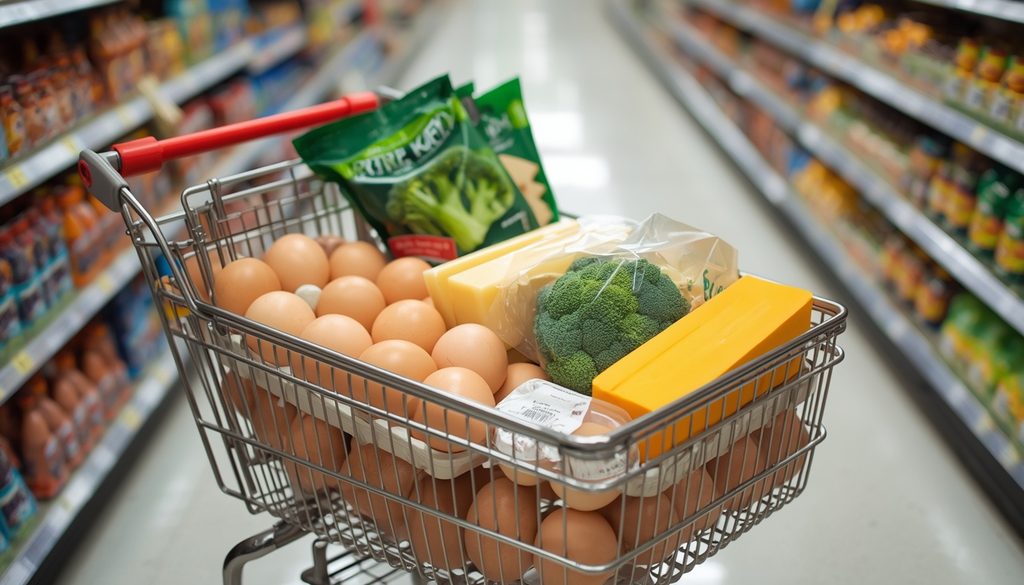
An affordable low-carb plan relies heavily on cost-efficient, high-yield proteins and healthy fats. You must bypass the inner aisles of the grocery store where overpriced low-carb cookies and bars reside. Instead, build your cart around eggs, pork, whole chickens, and frozen cruciferous vegetables. The table below outlines the average cost-per-serving of classic budget-friendly ketogenic foods based on recent USDA food price reports.
Key Takeaways
- Whole foods are significantly cheaper per serving than processed keto alternatives.
- Buying block cheese and grating it yourself saves money and avoids added starch.
- Frozen vegetables offer identical nutritional value to fresh ones at a fraction of the price.
| Food Item | Average Cost per Serving | Primary Nutrient |
|---|---|---|
| Large Eggs (Dozen) | $0.25 | Protein & Fat |
| Chicken Thighs (Bone-in) | $0.45 | Protein & Fat |
| Canned Tuna (in Oil) | $0.80 | Protein & Omega-3 |
| Frozen Spinach | $0.30 | Fiber & Micronutrients |
💡 Expert Diet Tip
Save your bacon grease and chicken fat in a clean glass jar in your refrigerator. Use these saved fats for cooking vegetables and frying eggs later in the week. This simple habit adds delicious flavor to your meals and provides free keto-friendly cooking fat.
Best For (Who This Diet Makes Sense For)
Managing keto on a budget is highly effective for specific individuals but challenging for others. It requires a willingness to trade convenience for cost savings.
This approach is best for:
- Strict meal planners who enjoy cooking in bulk batches.
- Individuals who do not mind eating repetitive meals throughout the week.
- Budget-conscious shoppers with easy access to discount supermarkets.
- People looking to simplify their relationship with food by eliminating complex recipes.
Conversely, this restricted budget is not appropriate for:
- Busy professionals who rely entirely on convenience foods or takeout.
- Individuals who demand high meal variety and complex culinary flavors daily.
- Anyone unwilling to track their spending or plan grocery lists in advance.
Risks, Limitations, and Nutrient Pitfalls
The primary risk of an ultra-low-cost ketogenic diet is nutrient deficiency, particularly a lack of potassium and magnesium. Cheap protein sources are abundant, but fresh low-carb vegetables like asparagus or zucchini can quickly exhaust your budget. To prevent this, you should rely heavily on frozen spinach, broccoli, and green beans. These green options provide critical fiber without raising blood glucose levels.
Additionally, relying too heavily on cheap, highly processed vegetable oils like soybean or canola oil can promote systemic inflammation. Ensure you review clinical guides on healthy fat ratios, such as those published by the National Institutes of Health, to maintain a healthy lipid profile. Balancing your fats is key to feeling energetic while keeping keto on a budget successful.
In Short
- Micronutrient deficiencies are the biggest risk when cutting keto costs too aggressively.
- Prioritize high-quality fats like butter and olive oil over cheap refined seed oils.
- Frozen cruciferous vegetables are your best tool for affordable fiber and minerals.
Final Decision: Is This Budget Plan Worth It?
Sustaining keto on a budget of $50 a week is highly realistic, but it demands discipline and culinary simplicity. You must view food primarily as fuel rather than entertainment. If you are willing to prep meals ahead, embrace leftovers, and skip the trendy processed snacks, you will easily succeed. Your health and your wallet will both benefit from this streamlined approach to low-carb nutrition.
Frequently Asked Questions
Can I drink coffee on a fifty-dollar weekly keto budget?
Yes, black coffee is highly budget-friendly and perfectly compatible with ketosis. Avoid expensive creamers and instead use a small splash of heavy whipping cream or a teaspoon of butter from your weekly grocery haul.
What is the cheapest source of healthy fat on keto?
Large eggs and blocks of store-brand butter are consistently the most affordable sources of fat. Lard and saved meat drippings also provide excellent, zero-cost options for frying your meals.
Is buying organic meat necessary for keto success?
No, organic meat is not required to enter or maintain ketosis. Standard grain-fed meats from your local discount supermarket will work perfectly fine while keeping you well within your $50 budget limit.