
Meal Prepping for One Person: Does It Actually Save Money?
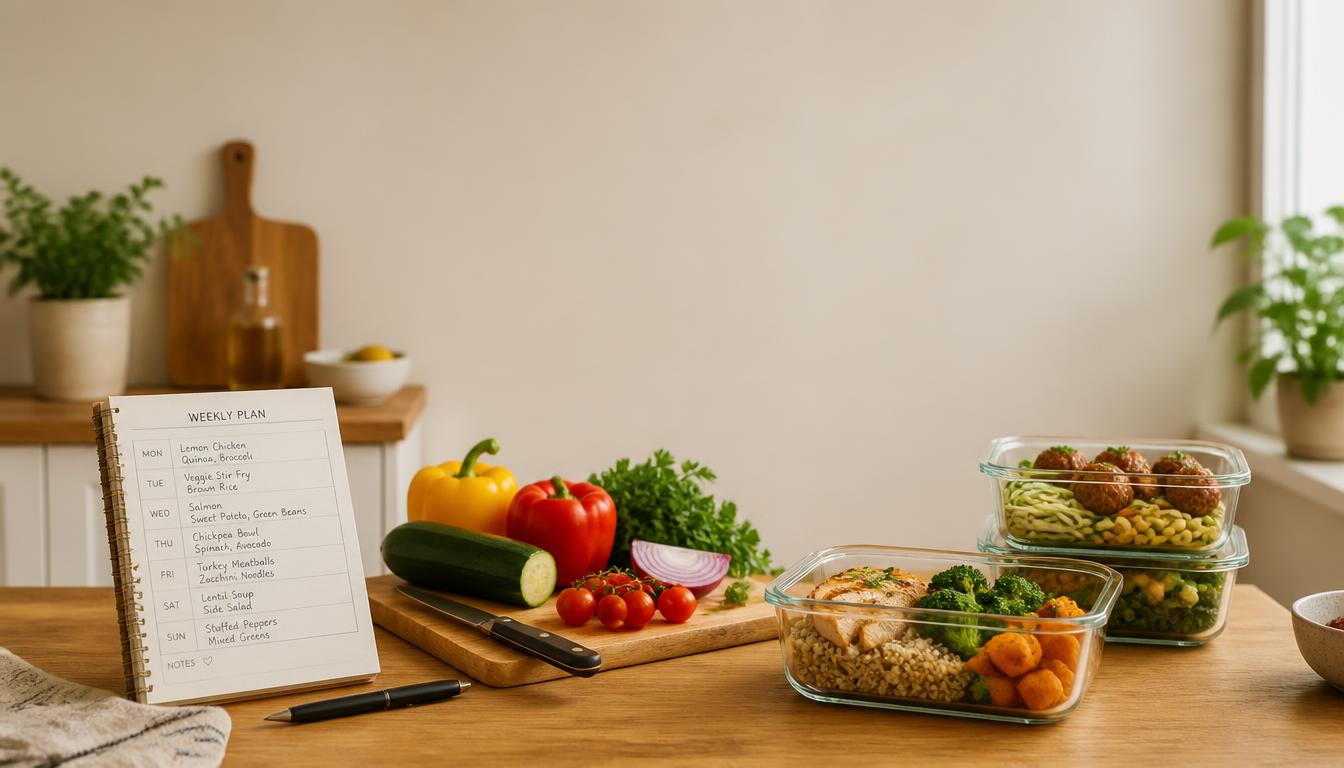
Does meal prepping for one person actually save you money? Yes, cooking in bulk for one typically reduces your weekly food costs by thirty to fifty percent. However, this strategy only works if you manage food waste and avoid ingredient boredom. In this guide, we break down the real financial math of single-person meal planning.
Scope of This Cost Analysis
This analysis focuses strictly on the financial and practical trade-offs of solo meal preparation. We compare the cost of bulk grocery shopping against dining out, ordering delivery, and buying single-serving pre-packaged meals. Our focus remains on direct monetary inputs and time investments rather than complex nutritional theories.
Quick Summary
- Meal prepping for one person cuts food costs significantly when managed correctly.
- Success depends on smart ingredient crossover and proper storage.
Key Factors for Meal Prepping for One Person
To determine if you will save money meal prepping, you must evaluate three distinct factors. First, consider your waste potential. Buying bulk produce often leads to discarded food if you do not use it quickly.
Second, calculate your preparation time. Your time has value, so the prep process must be highly efficient to yield real savings.
Third, examine your storage capabilities. Having the right tools, like high-quality glass meal prep containers, prevents premature spoilage and protects your investment.
💡 Expert Diet Tip
Wash and chop your vegetables immediately after shopping. This simple step increases the likelihood you will use them before they spoil by up to fifty percent.
Cost Comparison: Cooking Solo vs. Alternatives
Cooking meals at home is objectively cheaper than eating out, but single-person preparation requires unique tactics. When you buy ingredients for just one person, standard packaging sizes often force you to buy more than you need.
To save money meal prepping, you must plan meals that share overlapping ingredients. For example, a single head of broccoli can serve as a side dish for two different recipes.
Let us look at how single person meal prep compares to other common dining strategies.
Key Takeaways
- Solo home cooking averages forty to sixty dollars per week.
- Restaurant dining and delivery can easily exceed two hundred dollars weekly.
| Meal Strategy | Average Weekly Cost | Time Investment |
|---|---|---|
| Structured Meal Prep | $45 – $65 | 2 – 3 Hours |
| Convenience Foods | $90 – $120 | 1 Hour |
| Restaurant Delivery | $180 – $250 | 0 Hours |
Best For (Who This Diet Makes Sense For)
The strategy of meal prepping for one person is highly effective for specific lifestyles but fails for others. It works best if you enjoy routine and do not mind eating similar meals multiple days in a row.
Here is a breakdown of who benefits most and who should look for other options.
Who It Benefits:
- Busy professionals who want to avoid mid-week takeout temptations.
- Students living on a strict, limited monthly budget.
- Individuals tracking precise daily macronutrient goals.
Who It Does Not Suit:
- People who crave high daily food variety and dislike leftovers.
- Individuals with highly unpredictable schedules who rarely eat at home.
- Those without access to reliable freezer storage.
In Short
- Solo prep requires high discipline and acceptance of meal repetition.
- It is the absolute best way to control both your budget and your nutrition.
Risks and Limitations of Solo Meal Prepping
The primary risk of meal prepping for one person is food waste from buying oversized bulk packages. Grocery stores optimize packaging for families, meaning a single person often buys more than they can consume.
To mitigate this, utilize your freezer immediately. Many cooked meals freeze exceptionally well, which extends their shelf life for months. This practice prevents the financial loss of throwing away spoiled food.
According to the U.S. Department of Agriculture, the average American family wastes a significant portion of their food supply. For solo preppers, this waste directly erases any financial savings.
Final Decision Framing
To decide if this approach is right for you, weigh your financial goals against your tolerance for repetition. If your main goal is to save money, meal prepping for one person is one of the most effective habits you can build.
Start small by preparing just three days of lunches. Do not try to prep every single meal for the entire week on your first try. This incremental approach prevents burnout and helps you build a sustainable routine.
Bottom Line
- Start with partial prep to avoid early burnout and wasted ingredients.
- Consistency over time yields the greatest financial and health benefits.
Frequently Asked Questions
Let us address three of the most common questions about saving money through solo meal preparation.
How do I prevent cooked meals from going bad before the end of the week?
Store only three days of meals in the refrigerator. Place the remaining portions in the freezer immediately after they cool down. Transfer them to the fridge the night before you plan to eat them.
Is it cheaper to buy frozen vegetables instead of fresh for solo prep?
Yes, frozen vegetables are often cheaper and cut down on waste. They are picked at peak ripeness and do not spoil in your crisper drawer, making them perfect for solo cooks.
How can I make the same meal taste different throughout the week?
Use different sauces and spices on individual portions. You can prep a large batch of plain chicken and add teriyaki sauce to one portion and salsa to another.
Meal prepping for one person does save money if you plan smart. Minimize your waste, invest in the right storage, and start slow to build a lasting, budget-friendly habit.