
30-Minute Meal Prep for a Busy Work Week: Is It Actually Realistic?
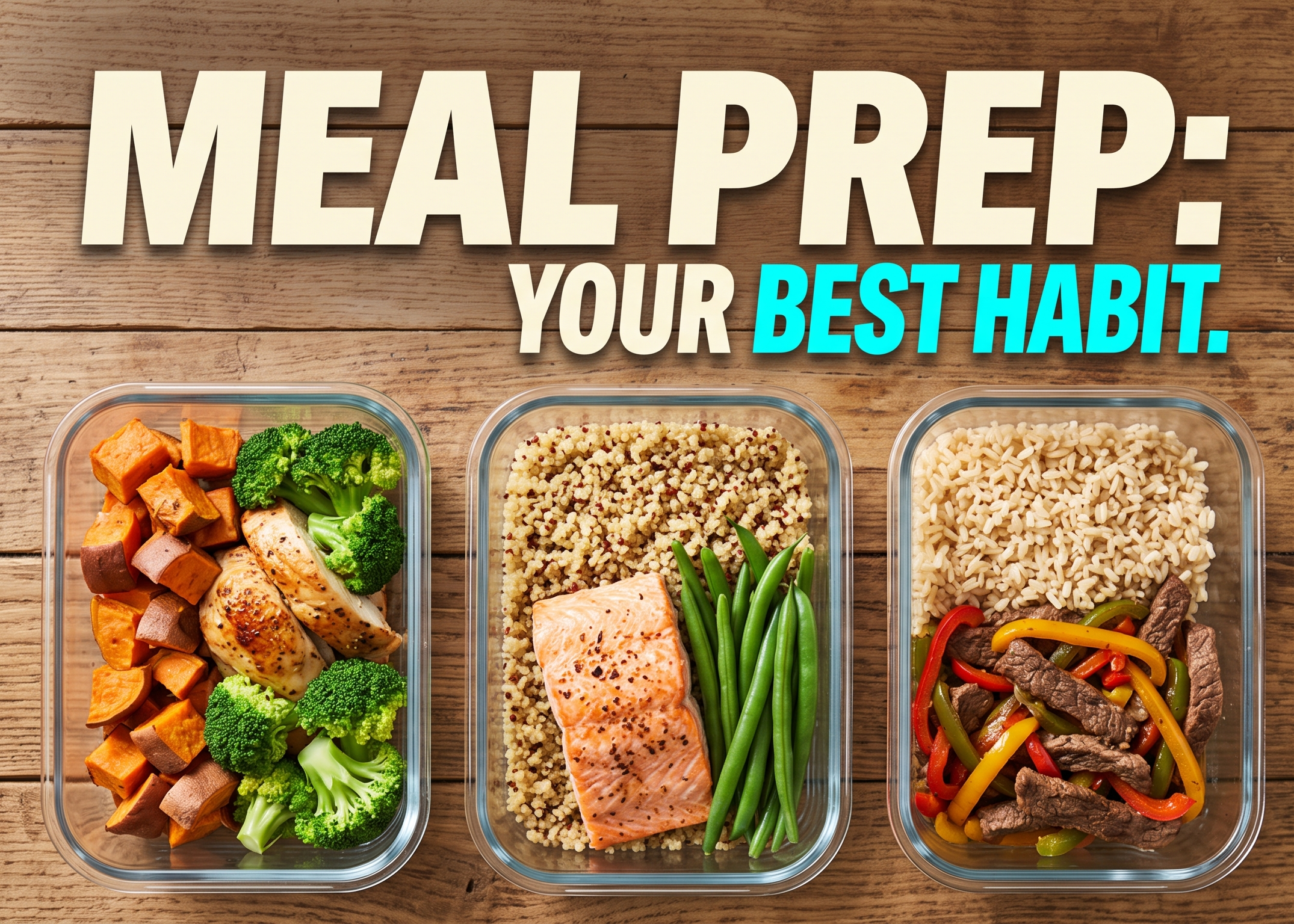
Finding time for healthy eating is tough when you work long hours. A 30-minute meal prep routine sounds like the ultimate solution for a busy work week. But is it actually realistic to prepare five days of food in thirty minutes? The short answer is yes, but only if you change how you define meal prep.
This guide breaks down the reality of quick food preparation. We will look at what you can actually achieve in a short window. You will learn to avoid common time traps and build a sustainable routine.
What We Mean by 30-Minute Meal Prep
A successful 30-minute meal prep focuses on strategic assembly rather than complex cooking. You cannot roast a whole chicken and bake sweet potatoes in thirty minutes. However, you can easily portion out pre-cooked proteins, wash greens, and mix simple dressings.
To make this work, you must rely on smart shortcuts. Utilizing frozen vegetables, canned beans, and pre-cooked grains saves hours of active stove time. This method turns your kitchen into an assembly line instead of a traditional cooking space.
Quick Summary
- Quick meal prep relies heavily on pre-cooked or frozen ingredients.
- Do not try to cook raw meats or complex grains during a short prep window.
- Focus on assembly and portioning to keep your kitchen time under thirty minutes.
How We Evaluate Weekly Meal Prep Feasibility
When evaluating a 30-minute meal prep method, look at active preparation time. Active time is the minutes you spend chopping, stirring, and packing. Passive time, like waiting for water to boil, does not count against your active limit.
We also look at ingredient complexity and storage stability. Choosing ingredients that stay fresh for four to five days is vital. For reliable storage advice, consult the USDA food safety guidelines to avoid spoilage. Your quick prep is only useful if the meals remain appetizing all week long.
💡 Expert Diet Tip
Divide your prep into two short sessions instead of one. Prepping on Sunday evening and Wednesday evening takes fifteen minutes each time. This keeps your food fresher and prevents mid-week meal fatigue.
Standard Prep vs. Streamlined 30-Minute Meal Prep
Traditional meal prep often consumes an entire Sunday afternoon. This long process involves multiple pots, complex recipes, and hours of cleanup. It is rarely sustainable for busy professionals who value their weekend downtime.
A streamlined prep focuses purely on efficiency. By keeping recipes simple, you minimize dishes and reduce mental fatigue. The table below highlights the key differences between these two food preparation philosophies.
Key Takeaways
- Traditional prep is highly customizable but demands significant weekend time.
- The streamlined method uses pre-processed staples to cut active kitchen hours.
- Choosing simplicity over variety is the secret to maintaining a quick prep routine.
| Evaluation Factor | Standard Weekly Prep | 30-Minute Streamlined Prep |
|---|---|---|
| Active Cooking Time | 2 to 3 hours | 20 to 30 minutes |
| Ingredient Sourcing | Raw, unprocessed foods | Pre-chopped, frozen, or canned |
| Cleanup Required | Heavy (pots, pans, cutting boards) | Minimal (mostly storage containers) |
Is a Quick Prep Method Right for You?
Who actually benefits from a 30-minute meal prep routine? This strategy is ideal for busy office workers who need healthy, reliable lunches. It also works well for individuals who do not mind eating similar meals several days in a row.
However, it might not suit culinary enthusiasts. If you demand fresh, complex, gourmet flavors every day, this assembly-style approach will feel boring. Assess your lifestyle and personal preferences before committing to this fast-paced method.
Skip If: You dislike eating repetitive meals, or you prefer cooking fresh gourmet dinners every evening.
The Risks of Ultra-Fast Weekly Meal Prep
While fast prep saves time, it does carry certain nutritional risks. Relying too heavily on processed, pre-packaged foods can increase your sodium intake. Many canned soups and pre-seasoned meats contain high amounts of salt and preservatives.
Another issue is nutritional variety. If you prep the exact same lunch for five days, you miss out on diverse micronutrients. To learn more about balancing your diet, read the meal planning guides from the Harvard T.H. Chan School of Public Health.
In Short
- Be mindful of sodium levels in pre-cooked and packaged convenience foods.
- Rotate your vegetable choices weekly to ensure a broad spectrum of nutrients.
- Store all prepped meals in airtight containers immediately to prevent bacterial growth.
How to Start Your 30-Minute Meal Prep Routine
Setting up your 30-minute meal prep requires the right tools. High-quality, durable storage solutions make a massive difference in keeping your food fresh. Investing in some glass meal prep containers will keep your ingredients crisp and organized all week long.
Start by picking just two meals to prep for the upcoming week. Do not try to prep breakfasts, lunches, and dinners all at once. Master a simple lunch routine first, then expand your plan as you build efficiency.
Pros and Cons of Streamlined Prepping
- Saves hours of precious weekend time.
- Requires minimal kitchen cleanup.
- Reduces daily mid-week decision fatigue.
- Lower meal variety throughout the week.
- Can be more expensive than buying bulk raw foods.
- Relies more on packaged products.
Ultimately, a quick meal prep routine is a tool for consistency. It helps you bypass the daily temptation of takeout when work gets hectic. By prioritizing speed and simplicity, you create a healthy habit that actually lasts.
Frequently Asked Questions
Can food actually stay fresh for a full five-day work week?
Most prepped meals stay fresh for three to four days in the refrigerator. For a five-day week, we recommend freezing the last two meals or doing a quick mid-week prep session on Wednesday night.
Is quick meal prep more expensive than cooking from scratch?
Yes, buying pre-washed greens, canned beans, and pre-cooked proteins is slightly more expensive. However, it is still significantly cheaper than ordering restaurant takeout or delivery every day.
How do I prevent my prepped meals from getting soggy?
Keep your dressings, sauces, and wet ingredients completely separate from your dry greens and grains. Only combine them right before you are ready to eat your meal.