
Breaking a Weight Loss Plateau on a Calorie Deficit: The Complete Troubleshooting Guide
Few experiences in health and fitness are as frustrating as hitting a scale stall when you are doing everything right. You calculate your energy needs, track every meal, and maintain a consistent exercise schedule. Yet, for three consecutive weeks, the numbers on your scale refuse to move. Understanding the science behind breaking a weight loss plateau on a calorie deficit requires looking past simple willpower. It demands an objective, systematic audit of your physiology, tracking habits, and daily stress levels.
A true stall is not an immediate sign that your diet has failed. Nor does it mean your metabolism is permanently damaged. In most instances, a stalled scale reflects transient fluid retention, uncounted caloric intake, or natural hormonal adjustments. By applying a clinical troubleshooting framework, you can identify the exact cause of your stall. You can make targeted, evidence-based adjustments to resume steady progress without resorting to dangerous starvation diets.
Defining a Real Plateau Versus Fluid Dynamics
Before changing your meal plan or cutting calories further, you must confirm whether you are facing a physiological stall or a temporary masking effect. A true weight loss plateau occurs when fat loss completely halts for at least three to four consecutive weeks. During this timeframe, net body mass, physical measurements, and body composition remain entirely unchanged despite consistent adherence to an energy deficit.
In contrast, scale weight frequently fluctuates day-to-day due to shift in body water. Sodium consumption, carbohydrate intake, muscle inflammation from strength training, and elevated stress hormones all cause fluid retention. This excess water easily masks steady fat loss on the scale for several weeks at a time. If your scale weight is flat but your waist measurement is shrinking, you are actively losing fat. You do not need a aggressive diet intervention.
Quick Summary
- A true plateau requires three to four weeks of zero movement in scale weight and body measurements.
- Daily scale spikes usually reflect transient water retention rather than fat gain.
- Tracking waist circumference provides a more reliable metric of fat loss than scale weight alone.
- Re-evaluating stress and sodium intake often resolves apparent stalls without altering calories.
The Metabolic Adaptation Myth Versus Biological Reality
When weight loss slows down, people often worry about starvation mode. Biological reality is far more nuanced than popular fitness myths suggest. Modern evidence shows that human energy expenditure drops as body weight decreases. Smaller bodies require significantly fewer calories to move, breathe, and maintain cellular function throughout the day.
This adaptive decline in energy expenditure is known as adaptive thermogenesis. Groundbreaking research on metabolic adaptation demonstrates that the human endocrine system slows down resting metabolic rate to conserve energy during extended caloric deficits. Thyroid hormones drop slightly, leptin levels decrease, and ghrelin rises to stimulate hunger. These changes reduce your total daily energy expenditure (TDEE), effectively shrinking your calorie deficit over time.
Step 1: Auditing Food Intake and Correcting Tracking Errors
The single most common cause of an unexpected stall is unmeasured energy intake. Human beings are notoriously inaccurate at estimating food volume by eye. As dieting fatigue sets in, subtle measurement errors compound across days and weeks, completely erasing a modest deficit.
Common sources of hidden calories include cooking oils, salad dressings, liquid creamers, condiments, and high-density nuts. A single tablespoon of olive oil poured without measuring adds roughly 120 calories to a dish. Consuming two unmeasured tablespoons per day can easily eliminate a standard 200-to-300 calorie daily deficit.
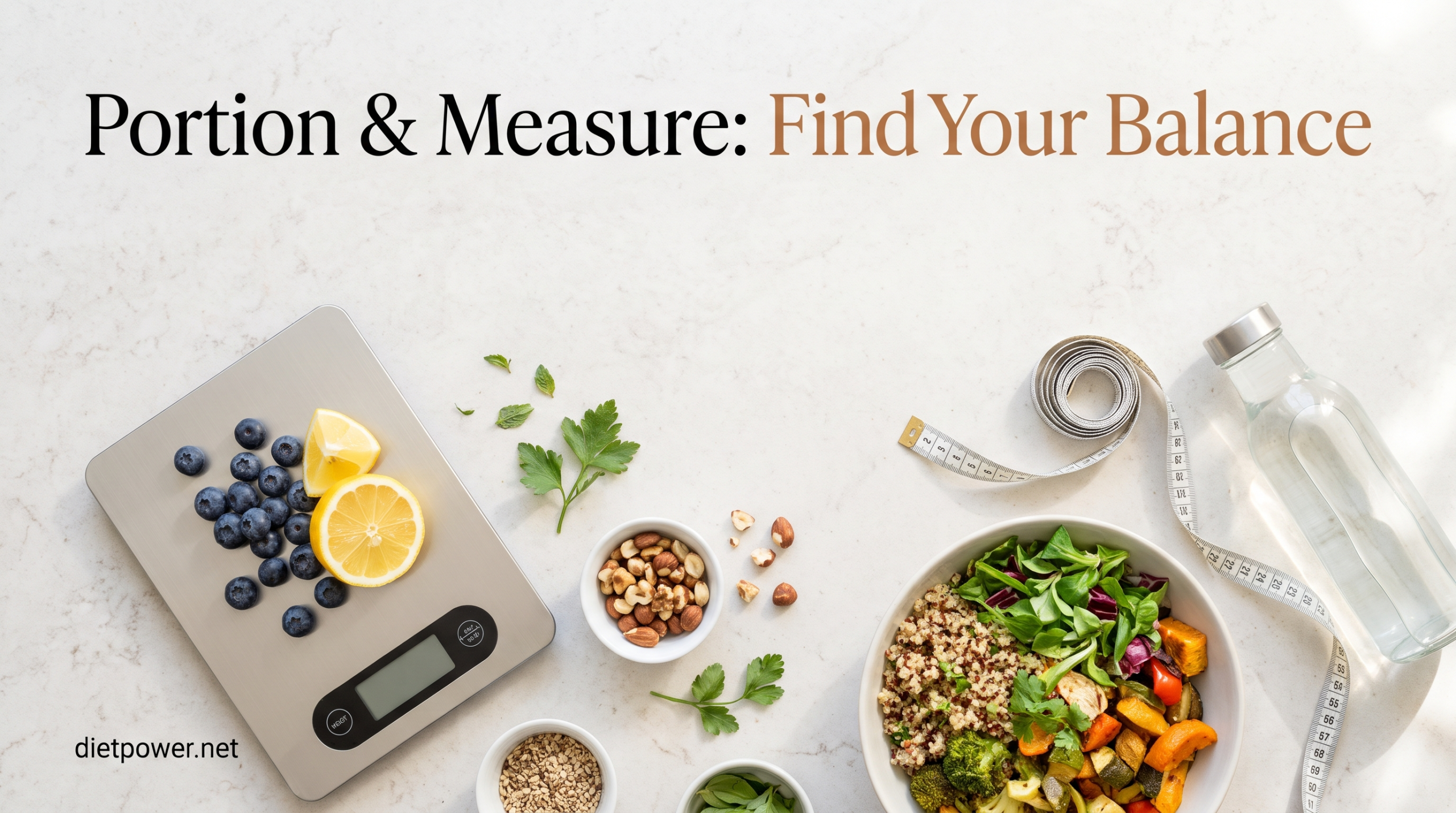
To fix this issue, transit from volume measurements to mass measurements for two consecutive weeks. Using a precision digital food scale with grams eliminates guesswork and restores absolute precision to your food logging app. Weigh every ingredient raw before cooking, including liquid fats, snacks, and side sauces.
Key Takeaways
- Inaccurate portion estimation is the primary cause of unresolved weight loss stalls.
- Cooking oils, nut butters, and liquid beverages contribute significant unrecorded calories.
- Measuring ingredients by weight in grams provides far higher accuracy than volumetric cups.
- Temporary tracking audits quickly restore caloric compliance without emotional frustration.
| Measurement Method | Accuracy Level | Primary Risk Area |
|---|---|---|
| Visual Estimation | Very Low | Underestimating portion size by 30-50% |
| Measuring Cups & Spoons | Moderate | Volume packed tight versus loose weight variations |
| Digital Scale (Grams) | Extremely High | None when used consistently for all meals |
Step 2: Evaluating Water Retention, Cortisol, and Sleep
Water retention acts as a major physical mask during extended fat loss phases. When you maintain a calorie deficit, your body releases the stress hormone cortisol. Persistent physical fatigue, intense daily workouts, and chronic psychological stress further raise cortisol levels. High cortisol causes your renal system to retain sodium and hold subcutaneous water inside fat cells.
This mechanism creates a phenomenon where visceral and subcutaneous fat is metabolized, but the physical cell volume remains temporarily filled with water. The scale stays completely static. Eventually, when cortisol drops after a period of rest or relaxation, the body flushes this held fluid overnight. This rapid drop in body weight is commonly referred to in clinical nutrition as a squishy fat flush.
Sleep deprivation worsens this cycle by raising systemic inflammation and suppressing insulin sensitivity. Aim for seven to nine hours of quality sleep per night. Ensure adequate hydration, as drinking sufficient water signals the body that fluid conservation is unnecessary.
💡 Expert Diet Tip
If you suspect cortisol-induced fluid retention, schedule a dedicated rest day. Reduce intense cardiovascular training, increase water consumption, and ensure eight full hours of sleep to encourage fluid release.
Step 3: Assessing Non-Exercise Activity Thermogenesis (NEAT)
When you restrict calories, your brain quietly defends body energy stores by subconsciously reducing daily movement. Non-Exercise Activity Thermogenesis (NEAT) includes fidgeting, posture maintenance, walking around the office, and general daily pacing. It accounts for a massive portion of total energy expenditure, often exceeding intentional exercise calories.
Without conscious awareness, a dieted individual might blink less, sit more frequently, or stop pacing while on phone calls. This subconscious energy conservation can reduce daily caloric output by 300 to 500 calories per day. This reduction completely neutralizes your intended energy deficit.
To counteract a drop in NEAT, track your daily step count with a wearable pedometer or smartphone. Establish a non-negotiable step floor, such as 8,000 to 10,000 steps daily. Keeping physical movement steady prevents your brain from silently lowering your total daily expenditure.

In Short
- Subconscious drops in daily step counts reduce total calorie expenditure significantly.
- NEAT includes all non-exercise movement like pacing, taking stairs, and household chores.
- Setting a daily step target prevents hidden drops in daily metabolic output.
- Maintaining daily movement preserves your deficit without adding exhausting cardio sessions.
Step 4: Strategic Diet Breaks, Refeeds, and Carb Cycling
If you have maintained a strict calorie deficit for more than twelve consecutive weeks and verified tracking accuracy, your body may benefit from a strategic diet break. A diet break involves temporarily raising caloric intake back to baseline maintenance levels for 7 to 14 days, primary through increased carbohydrates.
A maintenance period helps restore circulating leptin levels, reduces thyroid-suppressing stress, and lowers systemic cortisol. Furthermore, refilling glycogen stores inside skeletal muscle increases muscular fullness and improves workout performance. Following a structured diet break, many individuals experience immediate fluid drop followed by renewed fat loss upon returning to a moderate deficit.
Step 5: Addressing Keto-Specific Stalls and Low-Carb Fluid Dynamics
Ketogenic and extremely low-carbohydrate diets present unique fluid dynamics during fat loss stalls. When starting a ketogenic diet, rapid initial weight loss is largely driven by glycogen depletion and associated water excretion. Each gram of stored glycogen holds roughly three to four grams of water.
Once glycogen stores are depleted, weight loss slows down to match actual fat loss rates. Many low-carb dieters mistake this normal transition for a sudden plateau. Additionally, overconsuming high-calorie keto foods like heavy cream, cheese, nuts, and fatty meat cuts can easily push daily intake above maintenance. Fat energy density is high at nine calories per gram, making overconsumption easy even without carbohydrates.
Skip If: You have been dieting for less than 14 days or frequently skip meal tracking on weekends.
Comprehensive Evaluation Checklist for Fat Loss Stalls
When you encounter a persistent scale stall, work through this systematic evaluation checklist sequentially before making drastic dietary changes:
✔️ Do These Actions First
- Audit raw food weights using a digital scale for 14 days.
- Track weekly averages of daily scale weights rather than single readings.
- Maintain a consistent daily step floor to prevent NEAT decay.
- Follow established NIDDK weight management guidelines for safe intake floors.
⚠️ Avoid These Mistakes
- Do not drop daily calories below 1,200 (women) or 1,500 (men) without supervision.
- Do not add hours of cardio while sleeping less than seven hours per night.
- Do not ignore weekend indulgence meals when calculating weekly averages.
- Do not change multiple diet variables simultaneously without testing.
Adjusting Calories Safely to Resume Fat Loss
If you have completed a thorough audit, verified that NEAT is high, controlled stress, and confirmed an actual four-week plateau, it is time to adjust your intake. Make small, controlled reductions rather than severe cuts.
Reduce total daily intake by 5% to 10%, or roughly 150 to 200 calories daily. Alternatively, increase daily expenditure by adding 1,500 additional steps per day. Monitor body response for two full weeks before considering any further modifications. Sustainable progress relies on moderate adjustments that preserve muscle mass and prevent binge eating triggers.
Bottom Line
- Address stalls with structured adjustments rather than emotional starvation tactics.
- Small daily calorie cuts of 150-200 calories are sufficient to restart steady fat loss.
- Always allow two full weeks to evaluate the impact of any dietary reduction.
- Preserving lean tissue mass and metabolic stability ensures long-term weight maintenance.
Frequently Asked Questions
How long should I wait before confirming a real weight loss plateau?
You should wait three to four full weeks without any change in scale weight or physical body measurements before confirming a real plateau. Short-term stalls lasting one to two weeks are almost always caused by fluid retention, digestive contents, or hormonal fluctuations.
Will lowering my calories too much permanently damage my metabolism?
Severe caloric restriction does not permanently damage your metabolism, but it does cause significant metabolic adaptation. Starvation-level diets reduce total daily energy expenditure, increase muscle loss, and trigger severe hunger signals. It is best to maintain moderate deficits to preserve metabolic health.
Does a refeed day help with breaking a weight loss plateau on a calorie deficit?
Yes, a structured refeed day elevated to maintenance calories can help lower stress hormones and reduce fluid retention. By temporarily increasing carbohydrate intake, you restock muscle glycogen and signal to your endocrine system that energy is available, often triggering a water loss flush.